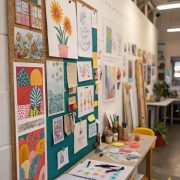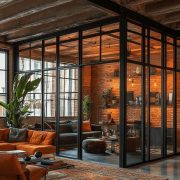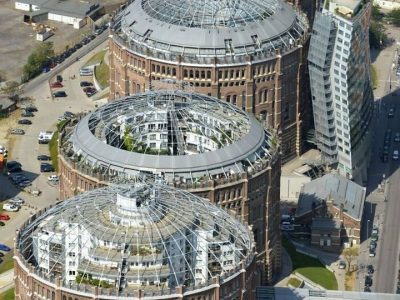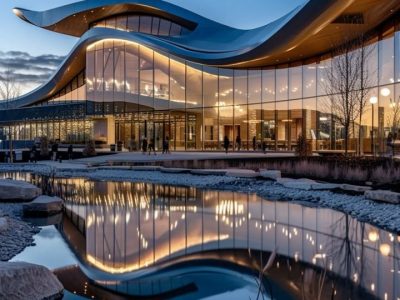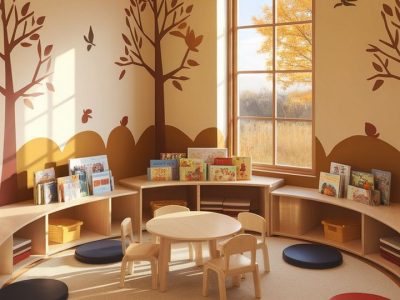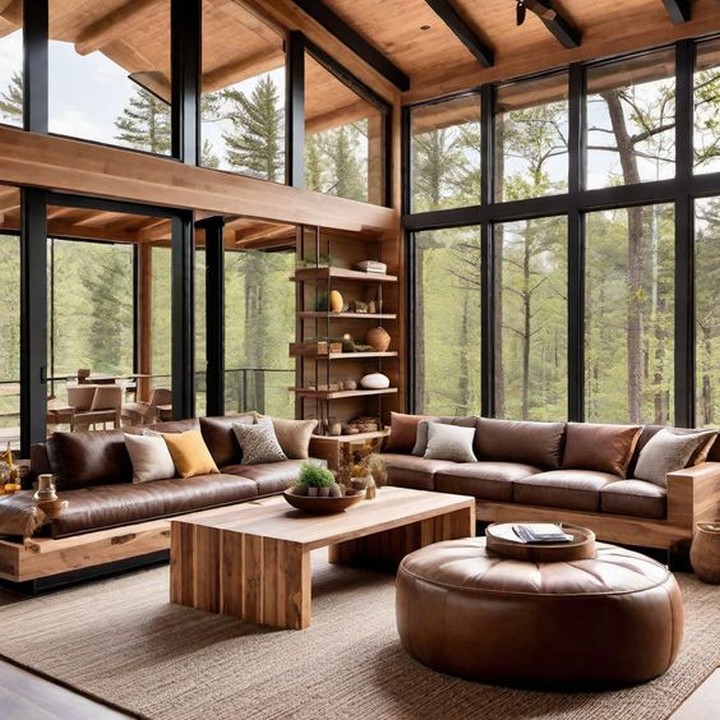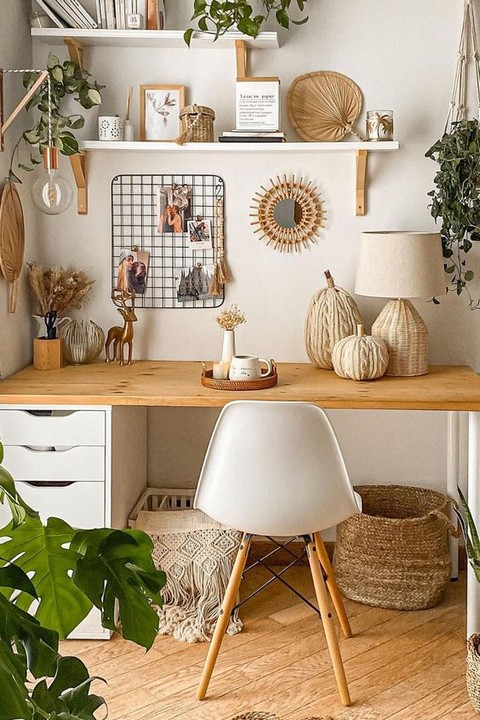

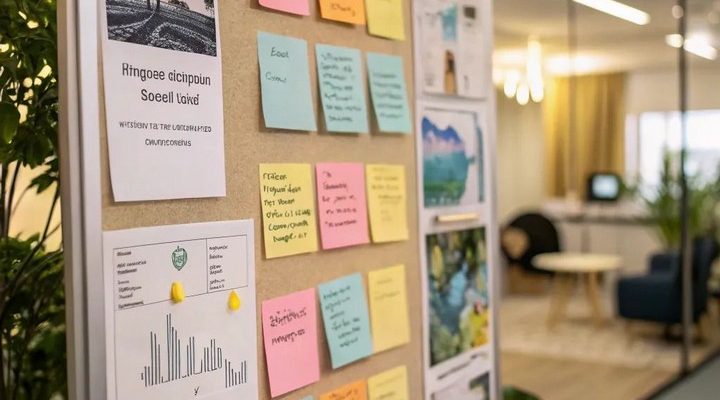
In educational environments, architecture goes beyond bricks and mortar—it shapes how students learn, interact, and thrive. Whether you’re an educator, architect, interior designer, or school administrator, creating an inspiring pin board dedicated to educational architecture can serve as a powerful visual reference tool. These curated collections help communicate design philosophies, showcase innovative solutions, and inspire transformative learning environments.
This comprehensive guide explores twelve creative pin board design ideas that celebrate educational architecture while serving as practical resources for anyone involved in shaping the future of learning spaces.
1. The Evolution Timeline Board
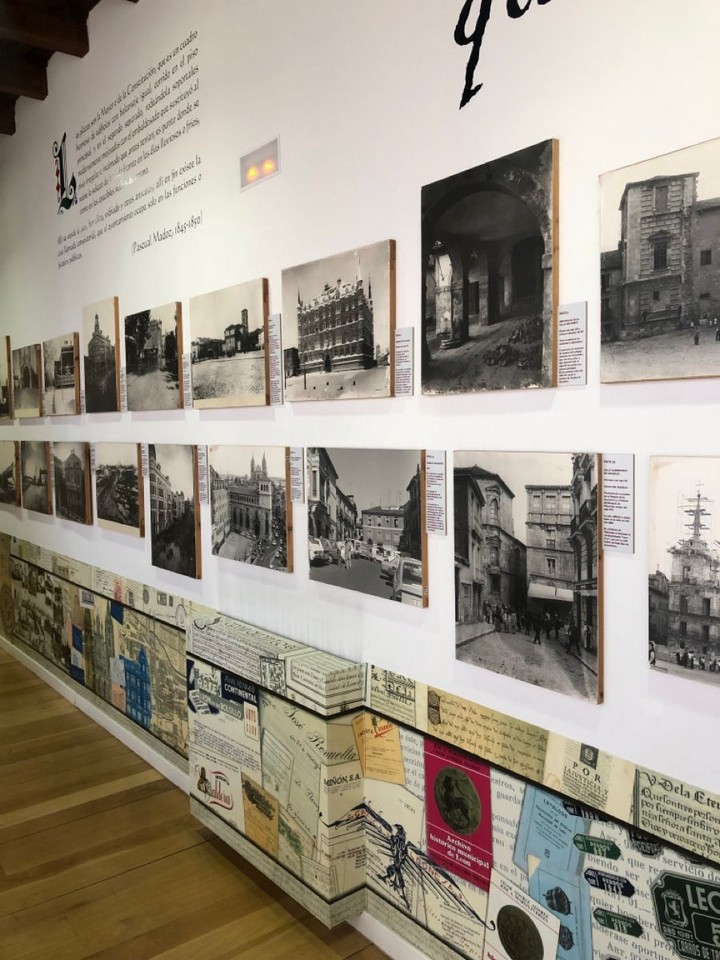
Create a chronological journey through educational architecture history, from one-room schoolhouses to contemporary learning hubs. This pin board design organizes images, sketches, and architectural drawings along a horizontal timeline, demonstrating how pedagogical shifts have influenced building design.
Include Victorian-era schools with their rigid layouts, mid-century modern educational facilities emphasizing natural light, and today’s flexible learning environments. Add brief annotations explaining the social and educational movements that drove each architectural transformation. This approach provides context for understanding why modern educational spaces look and function the way they do.
Consider incorporating before-and-after renovation photos that show how historic buildings have been adapted for contemporary learning needs, highlighting the balance between preservation and innovation.
2. Biophilic Design Showcase
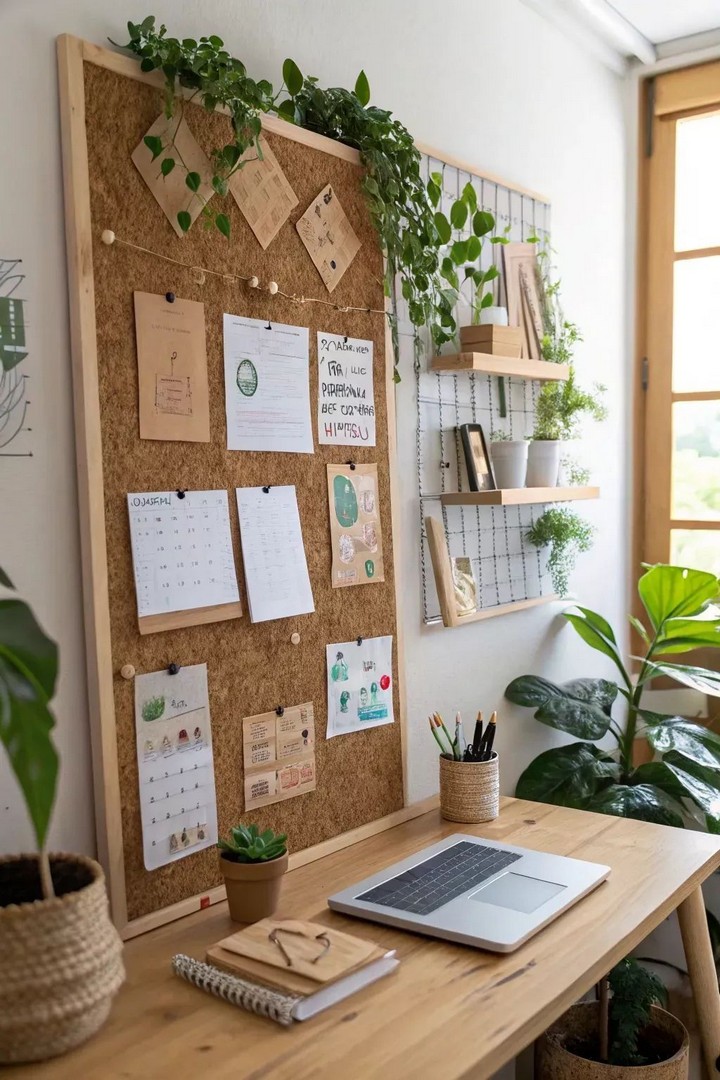
Dedicate an entire pin board to educational architecture that integrates nature and natural elements. Biophilic design has proven benefits for student concentration, stress reduction, and overall wellbeing, making it a crucial consideration in modern school planning.
Feature images of green walls, courtyard classrooms, rooftop gardens, and large windows that dissolve boundaries between indoor and outdoor learning. Include examples of natural materials like wood and stone, organic shapes, and water features integrated into educational settings. Add research snippets or statistics about improved student performance in nature-connected environments to reinforce the value of these design choices.
This board becomes particularly valuable when advocating for sustainable, health-focused design decisions in school construction or renovation projects.
3. Flexible Learning Environments Collection
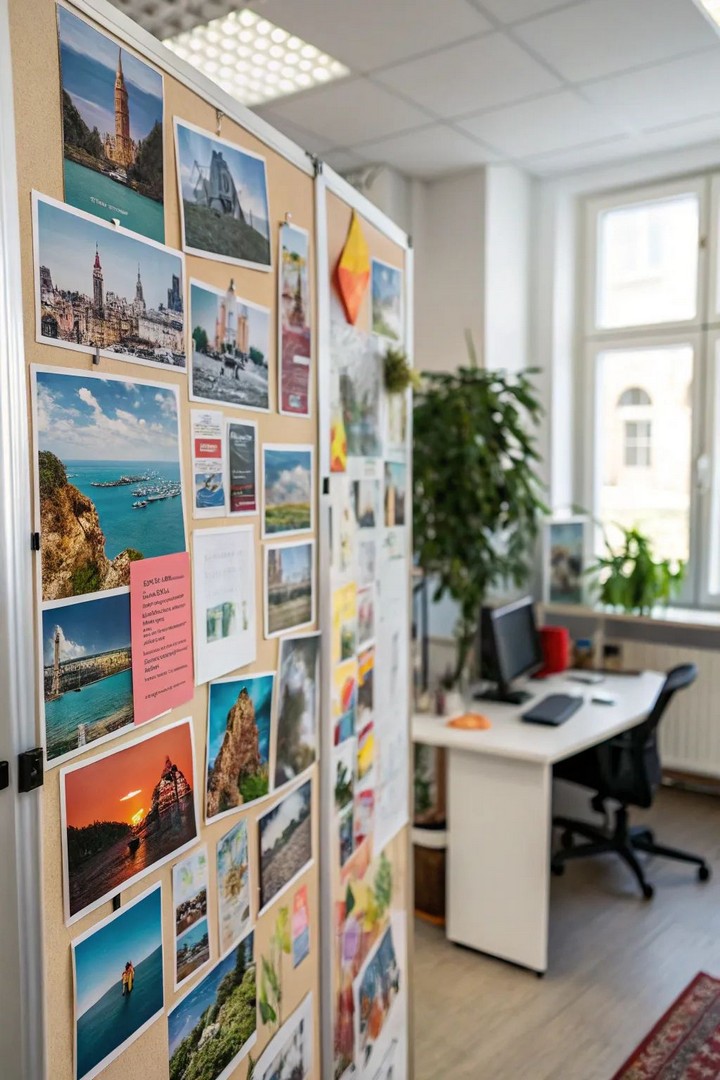
Modern education recognizes that students learn in different ways and at different paces. A pin board focusing on flexible, adaptable spaces showcases the architectural solutions that support this educational philosophy.
Gather images of movable walls, modular furniture systems, multipurpose spaces that transform throughout the day, and classrooms designed without traditional front-facing desks. Include examples of breakout spaces, quiet zones, collaborative areas, and technology-integrated learning stations all within the same facility.
Organize your board by flexibility type: spatial flexibility (movable partitions), furniture flexibility (reconfigurable seating), or pedagogical flexibility (spaces supporting multiple teaching methods). This organization helps viewers understand the various dimensions of adaptable learning environments.
4. Color Psychology in Educational Spaces
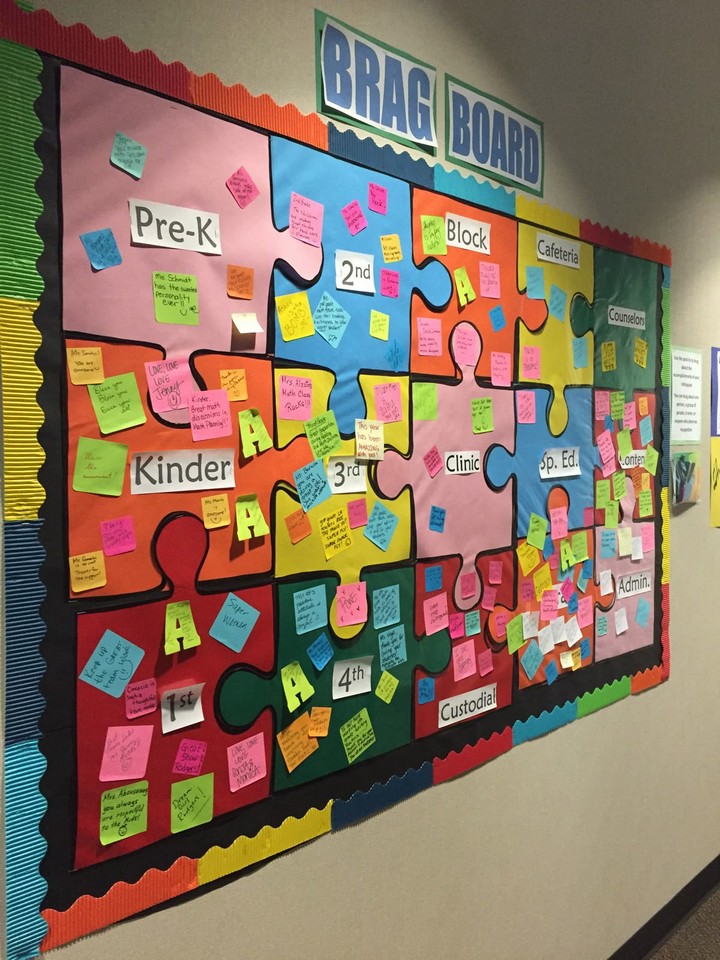
Color profoundly impacts mood, energy levels, and cognitive function. Design a pin board exploring how different educational institutions use color strategically in their architecture and interior design.
Create sections for different color families, showing how warm tones energize collaborative spaces, cool blues promote calm in libraries and testing areas, and greens enhance creativity in art studios. Include examples of accent walls, color-coded wayfinding systems, and age-appropriate color schemes that evolve from preschool through high school.
Add color wheels, psychological research findings, and expert quotes about color’s neurological effects. This board becomes an invaluable reference when selecting paint colors, finishes, and materials for educational projects.
5. Light and Learning Board
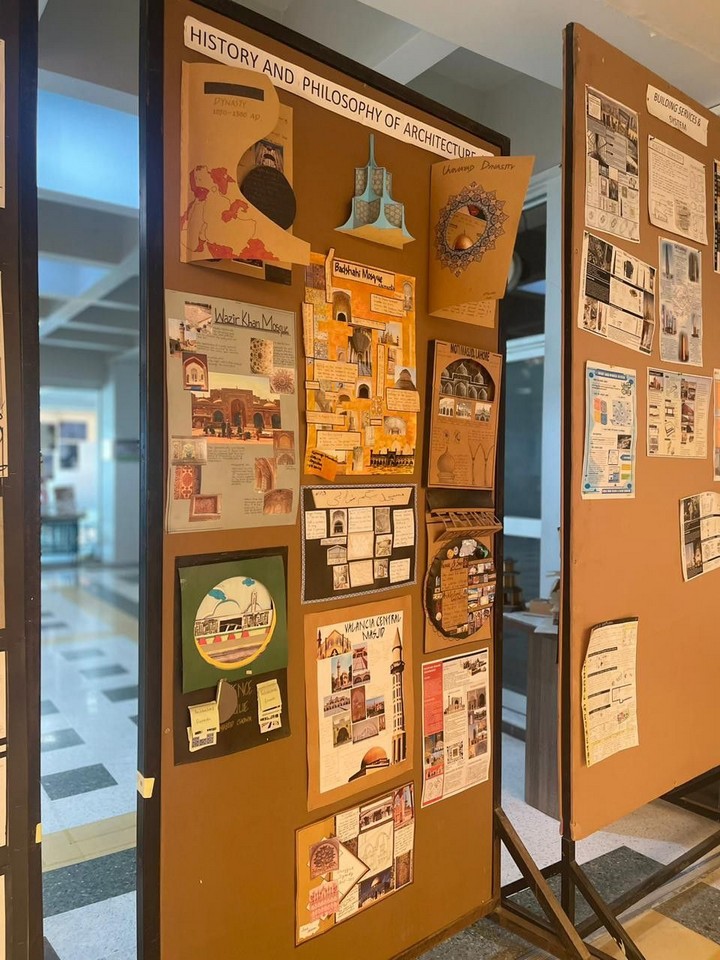
Lighting design deserves its own dedicated pin board given its critical importance in educational settings. Natural light affects circadian rhythms, mood, and visual comfort, while artificial lighting can either support or hinder learning activities.
Showcase architectural solutions like clerestory windows, light shelves, skylights, and strategically placed windows that maximize daylight penetration. Include examples of dynamic lighting systems that adjust color temperature throughout the day, mimicking natural light patterns.
Organize sections by space type, how libraries need different lighting than science labs, or how early childhood centers require softer, warmer light than high school spaces. Include technical diagrams showing light angles, shadow patterns, and illumination levels alongside beautiful photographs.
6. Safety and Security Design Solutions
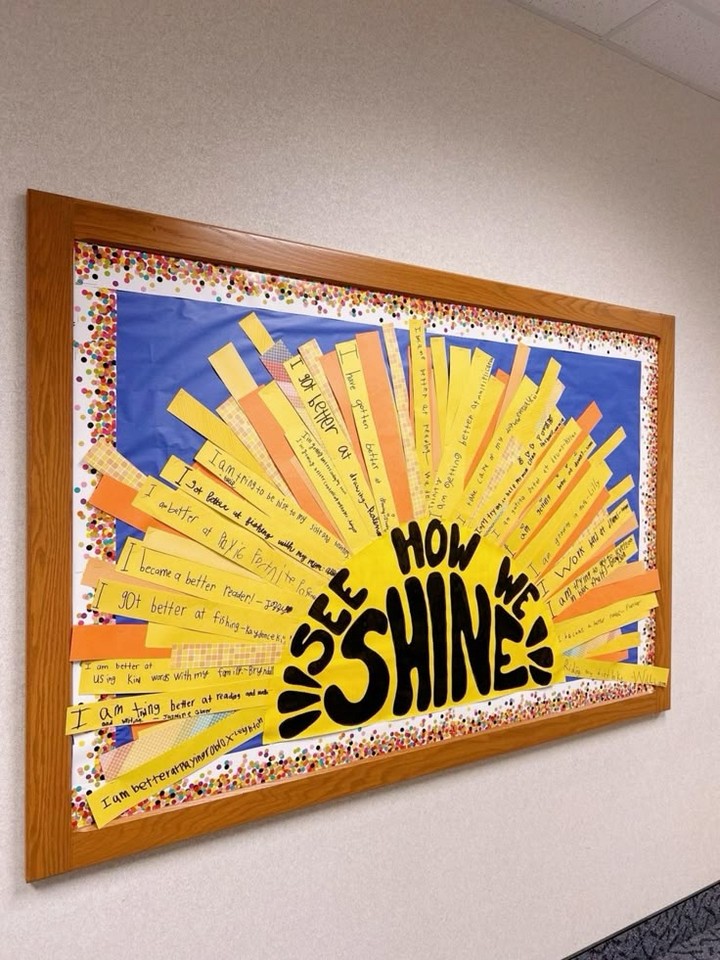
Create a sensitive but informative board addressing how contemporary educational architecture incorporates safety features without creating fortress-like environments. Modern school design must balance openness and welcoming aesthetics with legitimate security concerns.
Feature architectural elements like controlled entry vestibules, sight-line considerations, compartmentalized zones, and safety glass installations. Show how landscaping, lighting, and building orientation contribute to security. Include examples of schools that have successfully integrated these elements while maintaining an inviting, nurturing atmosphere.
This board proves particularly valuable for administrators and architects navigating the complex challenge of creating safe yet pedagogically effective environments.
7. Cultural and Regional Architecture Styles
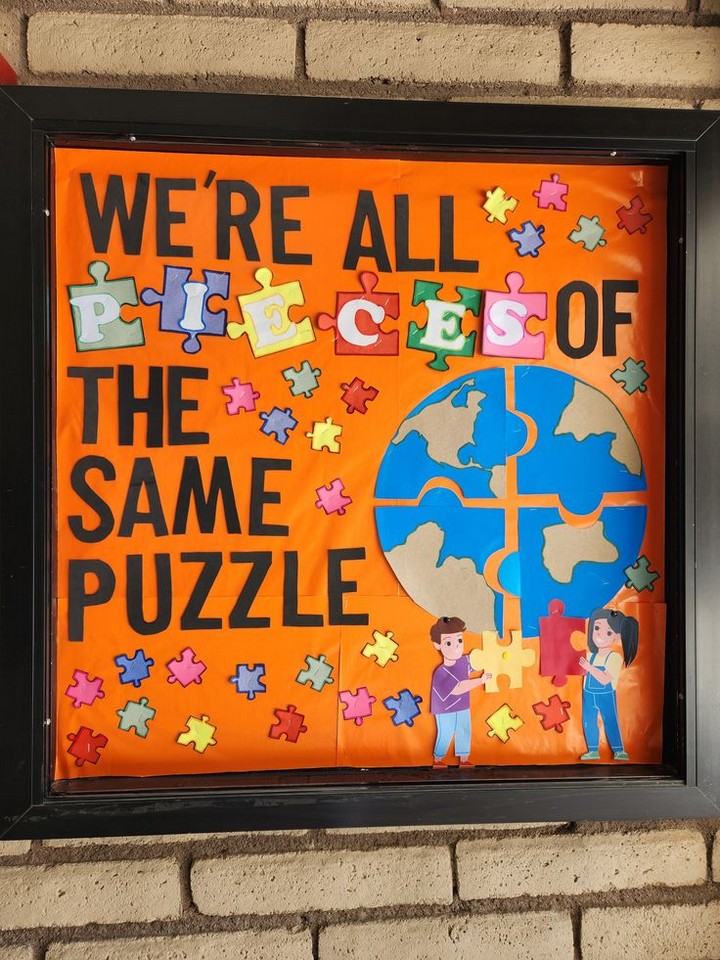
Educational architecture varies dramatically across cultures and climates. Design a pin board celebrating this diversity, showing how schools worldwide reflect local materials, climate considerations, cultural values, and architectural traditions.
Include Scandinavian schools with their emphasis on natural materials and connection to nature, Japanese educational facilities with flexible tatami-based spaces, tropical architecture with extensive shading and natural ventilation, and Middle Eastern schools incorporating traditional courtyard designs.
Add brief descriptions of how each architectural approach serves the specific needs of its community and climate. This global perspective prevents design homogenization and encourages culturally responsive architecture.
8. Small Space, Big Impact Board
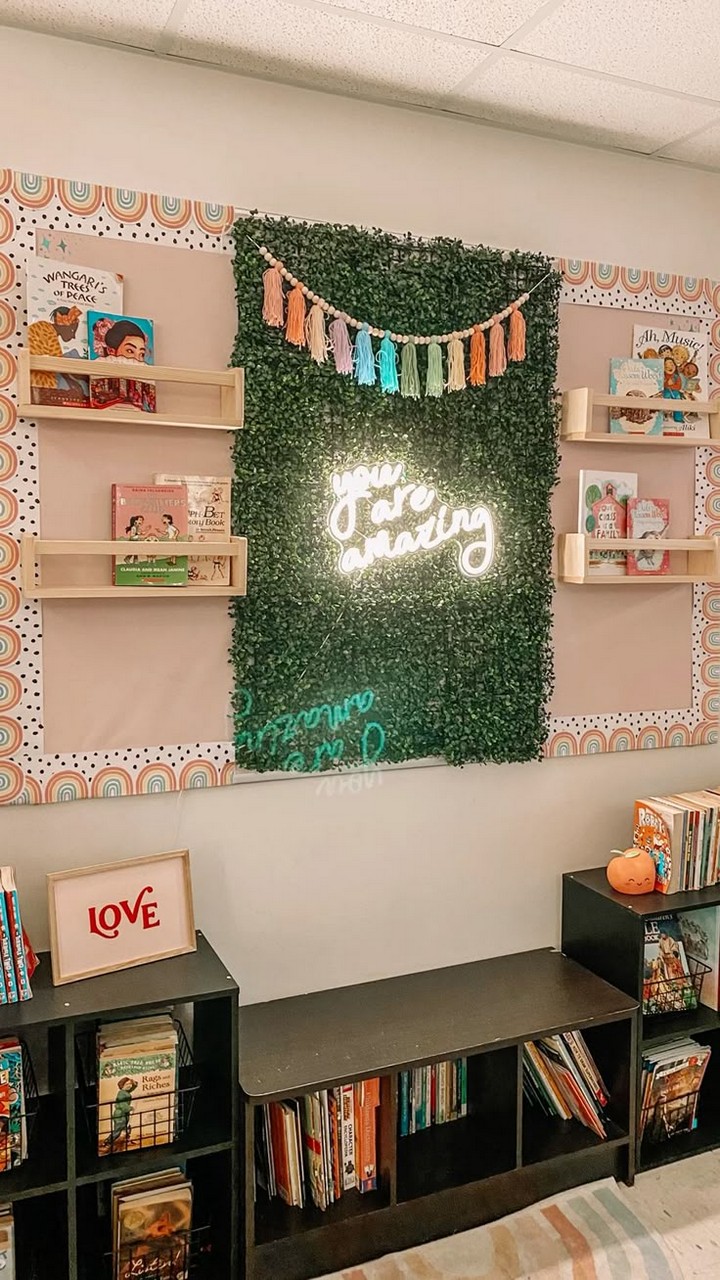
Not every educational facility enjoys unlimited square footage. Create a pin board specifically showcasing how architects maximize limited space through clever design strategies.
Feature examples of vertical storage solutions, multi-level learning environments, murphy-style transformable furniture, strategic mirror placement, and compact yet functional laboratories and maker spaces. Include tiny libraries, miniature gymnasiums, and efficiently designed cafeterias that demonstrate you don’t need massive facilities to provide quality education.
Add dimensioned floor plans alongside photographs to help viewers understand spatial relationships and design strategies they might replicate in their own space-constrained projects.
9. Technology Integration Architecture
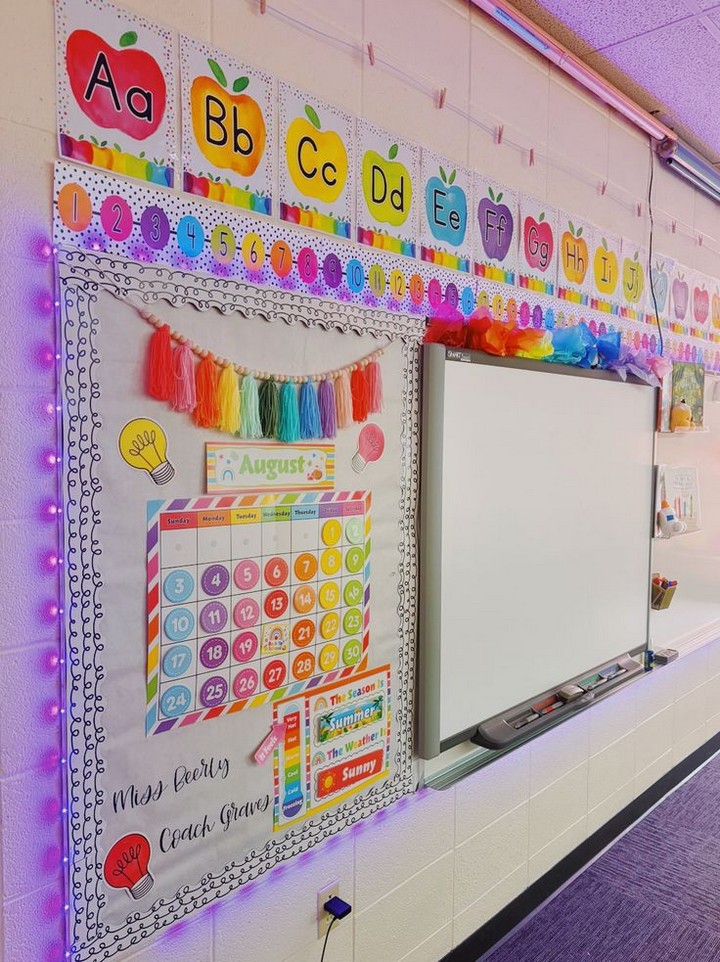
Modern educational facilities must seamlessly incorporate technology without letting it dominate the learning environment. Design a pin board exploring architectural solutions for technology integration.
Showcase cable management systems, power supply planning, projection and display mounting solutions, charging stations, and acoustic treatments for technology-rich spaces. Include examples of maker spaces, coding labs, virtual reality rooms, and recording studios integrated into school facilities.
Feature schools that have designed for technological flexibility, allowing updates without major renovations as technology evolves. Include both high-tech showpieces and thoughtful low-tech solutions that maximize learning without excessive screens.
10. Acoustic Design Gallery
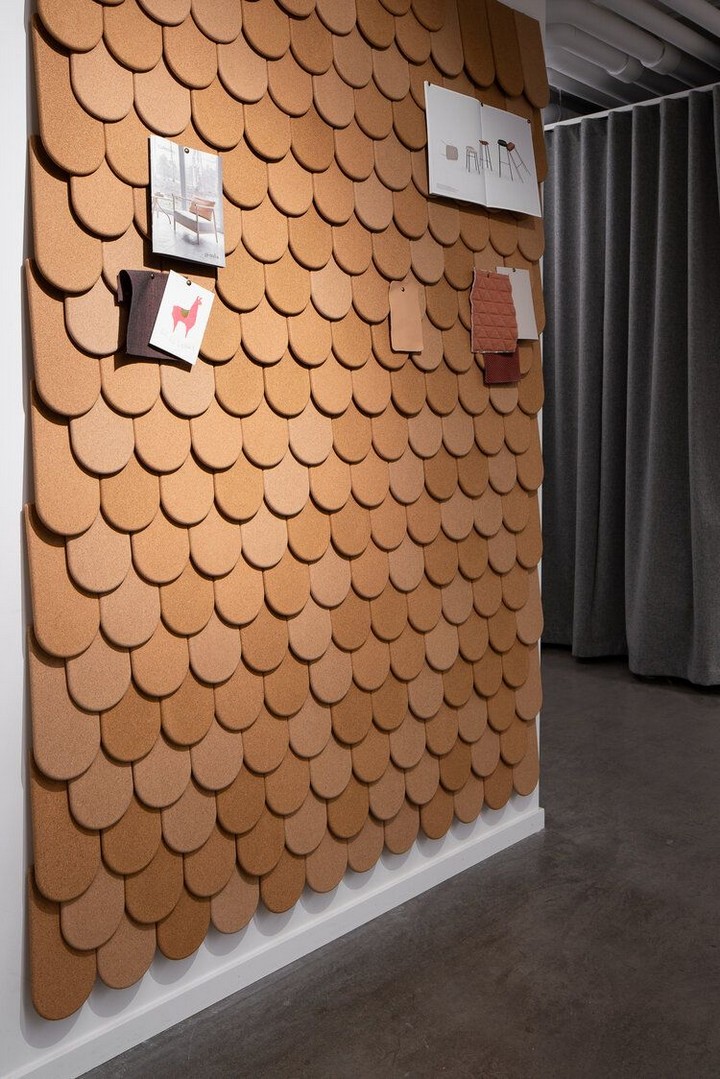
Sound management often gets overlooked in educational architecture discussions, yet acoustics fundamentally affect learning outcomes. Create a pin board dedicated to architectural acoustic solutions.
Display images of sound-absorbing ceiling treatments, acoustic wall panels, carpet planning, spatial arrangements that minimize noise transfer, and music and drama spaces with professional-grade acoustics. Show the visual variety of acoustic treatments, from fabric-wrapped panels to sculptural sound diffusers that double as artwork.
Include diagrams illustrating sound reflection, absorption, and transmission concepts. Add before-and-after sound level measurements from renovation projects to demonstrate the tangible impact of acoustic improvements.
11. Community-Centered Design Board
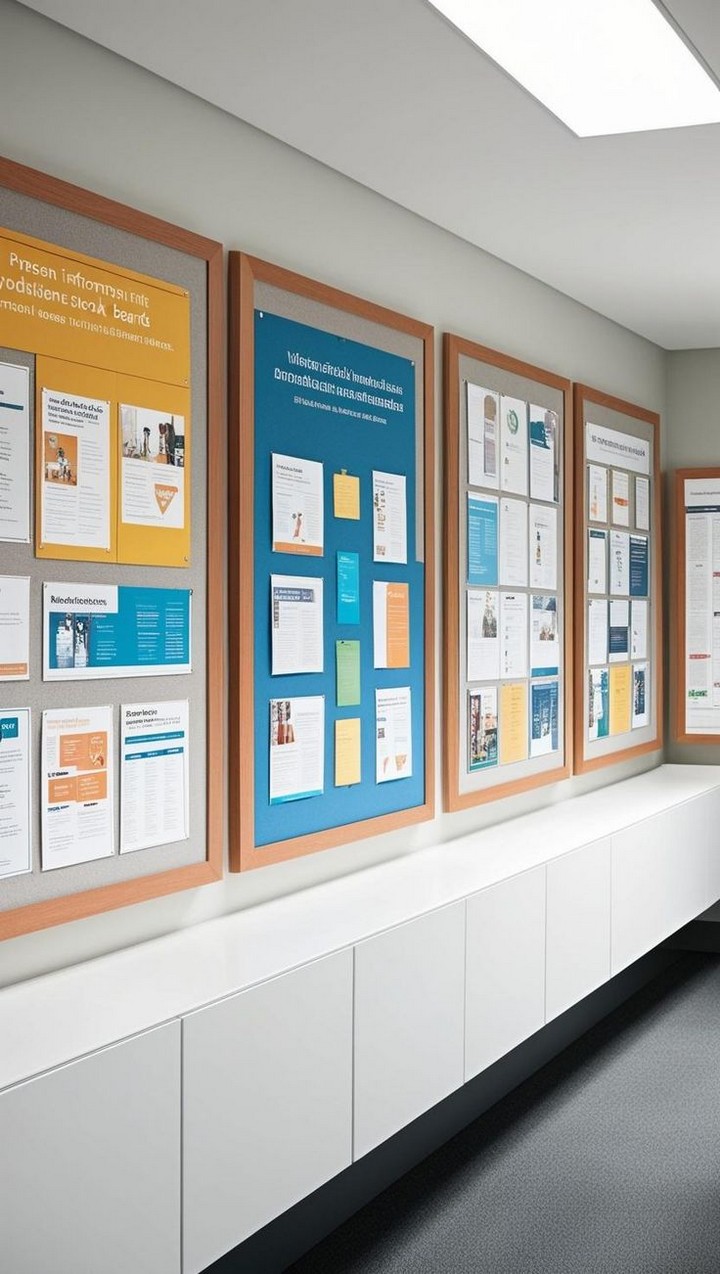
Schools increasingly serve as community hubs, not just daytime student facilities. Design a pin board highlighting educational architecture that welcomes broader community use.
Feature examples of shared libraries, community theaters, public gymnasiums, and multipurpose spaces with separate entrances allowing after-hours access without compromising security. Show how architectural zoning separates student-only areas from community-accessible spaces.
Include images of schools designed with community input, featuring local artwork, culturally significant design elements, and spaces specifically programmed for community events. This approach reinforces the school’s role as a neighborhood anchor and shared resource.
12. Sustainable and Net-Zero Schools
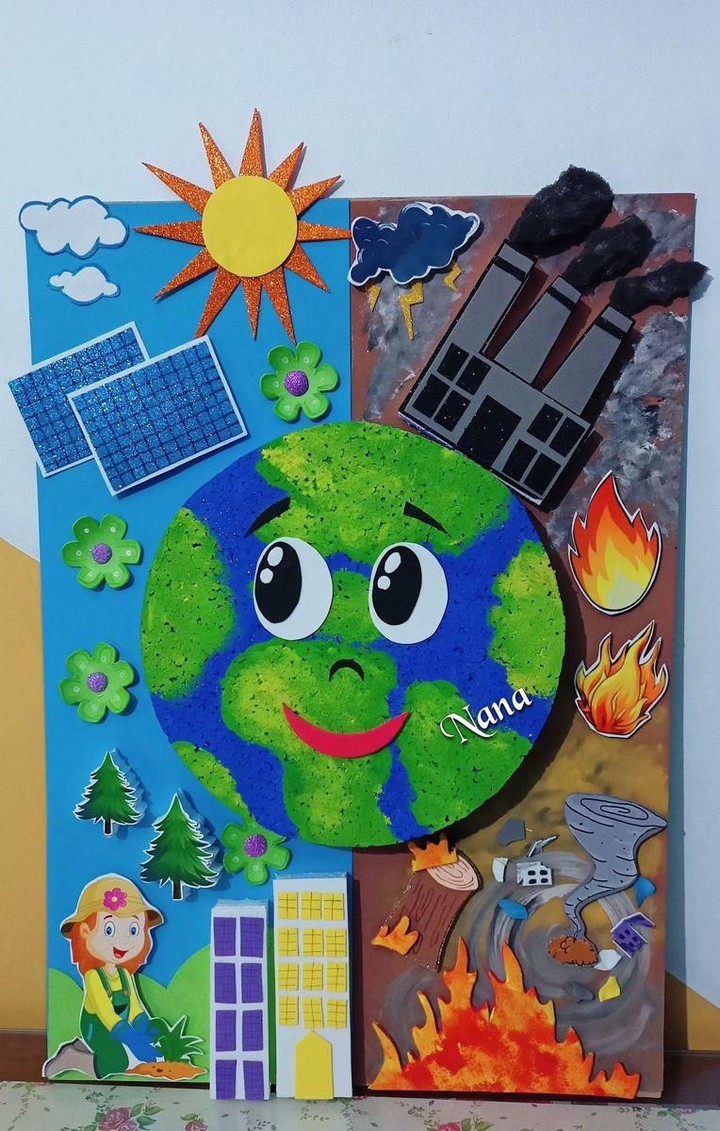
As climate concerns intensify, educational facilities must lead in environmental stewardship. Create a comprehensive pin board focused on sustainable educational architecture.
Showcase solar panel integration, rainwater harvesting systems, geothermal heating and cooling, green roofs, natural ventilation strategies, and buildings constructed from recycled or sustainably sourced materials. Include net-zero energy schools and living building challenge-certified educational facilities.
Add energy consumption data, carbon footprint calculations, and lifecycle cost analyses demonstrating that sustainable design offers both environmental and economic benefits. Feature student-accessible displays of building systems that transform the facility itself into a teaching tool about sustainability.
Designing Your Pin Board for Maximum Impact
Regardless of which theme you choose, several principles ensure your educational architecture pin board effectively communicates and inspires:
Visual Hierarchy: Arrange images by size and placement to guide the viewer’s eye through your narrative. Place the most impactful images at eye level and in prominent positions.
Layering and Depth: Don’t limit yourself to flat photographs. Include 3D elements like material samples, small architectural models, or fabric swatches that viewers can touch. This multisensory approach creates deeper engagement.
Color Coordination: While showcasing diverse architecture, maintain a cohesive board appearance through consistent matting colors, coordinated borders, or a unified color palette in your supporting graphics.
Textual Elements: Balance images with concise text, project names, location details, architect credits, square footage, completion dates, and brief design philosophy statements. Use consistent typography for a professional appearance.
Scale Indicators: Include floor plans, sections, and human figures to help viewers understand the actual size and spatial relationships of featured projects.
Update Regularly: Educational architecture evolves rapidly. Refresh your pin board quarterly with new projects, emerging trends, and innovative solutions to maintain relevance and viewer interest.
Interactive Elements: Consider adding QR codes linking to virtual tours, architect interviews, or detailed case studies. Include removable cards with discussion questions or design challenges for educational settings.
Ready to start your educational architecture pin board? We’d love to see your creative approaches! Share photos of your pin boards in the comments below, tag fellow educators and designers who might find inspiration here, and let us know which of these twelve ideas resonates most with your vision for learning spaces. Together, we can build a community dedicated to creating educational environments where every student can thrive.