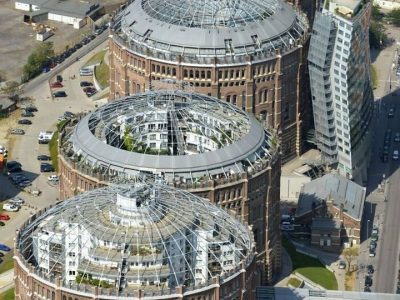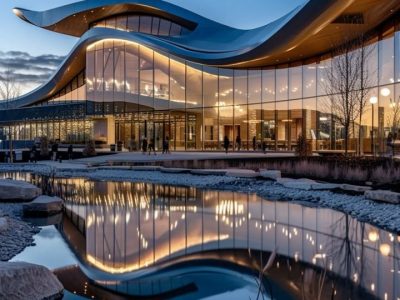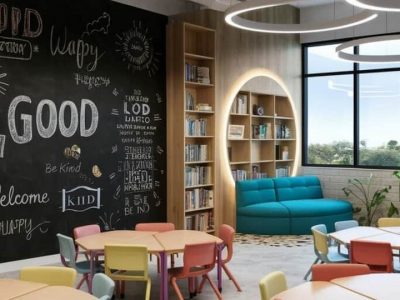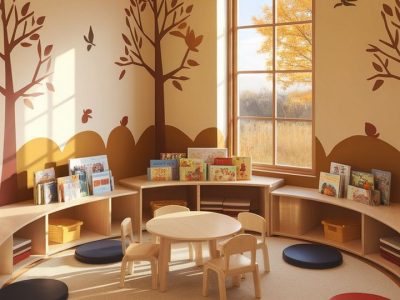

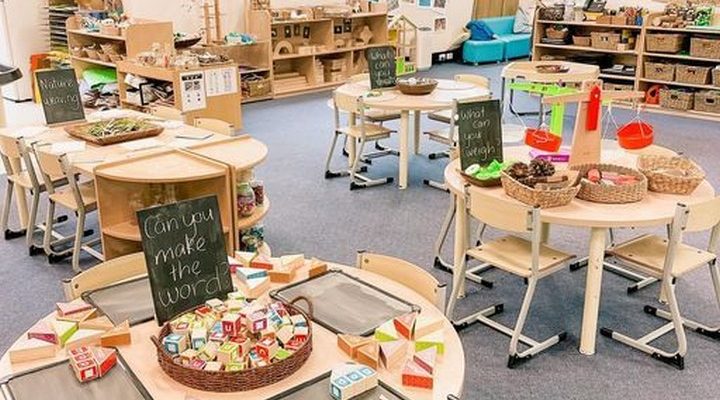
The buildings where learning happens matter, perhaps now more than ever. As educational paradigms shift toward collaboration, flexibility, and student-centered approaches, architecture plays a pivotal role in supporting these transformations. Education architecture has evolved from the traditional classroom model into a sophisticated discipline that integrates pedagogy, psychology, and design innovation. This article explores 14 foundational concepts reshaping how we build and design educational spaces.
1. Universal Design for Learning (UDL)

Universal Design for Learning extends beyond wheelchair ramps and accessible doorways. This architectural philosophy embeds flexibility into the very bones of a building, recognizing that learners have diverse needs from the outset, not as an afterthought. Classrooms designed with UDL principles feature multiple pathways for engagement: varied seating options, adjustable lighting, acoustic treatments, and spatial arrangements that accommodate neurodivergent learners, students with mobility challenges, and those who simply learn differently.
When architects embrace UDL, they eliminate barriers before they’re created. Ramps and elevators become standard; visual contrast aids wayfinding; sensory-aware design reduces overwhelming stimuli. The result is a building that welcomes everyone without requiring retrofitting or adaptations.
2. Biophilic Design in Educational Spaces

Humans thrive near nature, a truth that biophilic design brings into learning environments. This concept incorporates natural elements, daylight, views of greenery, natural materials, and even living walls and gardens into educational architecture. Research consistently shows that biophilic design reduces stress, enhances concentration, and improves cognitive function.
Educational buildings featuring green roofs, interior plants, natural wood, stone finishes, and abundant windows create psychologically restorative spaces. Students exposed to natural elements demonstrate improved attention spans and better academic performance. Forward-thinking institutions now integrate courtyards, green classrooms, and outdoor learning areas as integral components rather than luxuries.
3. Flexible and Modular Learning Spaces

Gone are the days when classrooms are fixed rectangular boxes. Modular education architecture employs movable walls, reconfigurable furniture, and multipurpose zones that adapt to different teaching methods. A space might serve as a lecture hall one hour, collaborative breakout areas the next, then transition into small group discussion zones.
This flexibility acknowledges that teaching methods aren’t static. Teachers need spaces that support lectures, Socratic discussions, hands-on experiments, group projects, and independent study, sometimes within the same day. Modular design extends the lifespan of buildings by allowing them to evolve with pedagogical innovations.
4. Transparent and Permeable Boundaries

Educational architecture increasingly embraces transparency, both literal and metaphorical. Glass walls between classrooms, open sightlines to collaborative areas, and visible demonstrations create a culture of shared learning. This openness encourages accountability, fosters community, and allows students to observe peers engaged in different activities.
Permeable boundaries mean students can move fluidly between formal instruction and informal learning spaces. Libraries connect to cafeterias; maker spaces adjoin classrooms; outdoor areas integrate seamlessly with interior environments. This permeability breaks down silos and normalizes the idea that learning happens everywhere, not just in designated classroom hours.
5. Equity-Centered Design

Educational buildings shouldn’t replicate or reinforce existing inequalities. Equity-centered architectural design ensures that resources, spaces, and experiences are distributed fairly across all student populations. This means avoiding segregation of special education spaces; ensuring diverse neighborhoods have equally well-resourced schools; and designing facilities that accommodate students from varied socioeconomic backgrounds.
Equity-centered design also addresses the “pedagogy of poverty” by refusing sterile, institutional aesthetics in under-resourced schools. Every student deserves beautiful, inspiring, well-maintained learning environments, not just those in affluent areas.
6. Acoustical Design for Learning

Sound matters profoundly in educational spaces, yet it’s often overlooked. Strategic acoustical design involves soundproofing between classrooms, absorptive materials that reduce reverberation, and strategic placement of sound sources. Poor acoustics create cognitive load as students strain to hear, reducing comprehension and increasing fatigue.
Quality acoustical architecture includes variable acoustic zones: quiet areas for concentration, sound-controlled collaboration spaces, and acoustically isolated zones for presentations. Advanced solutions incorporate noise-canceling technologies and adaptive acoustic panels that adjust to different activities.
7. Daylight Optimization and Circadian Design

Daylight profoundly influences human physiology and psychology. Educational architecture increasingly prioritizes daylight access through strategically positioned windows, skylights, and clerestories. Beyond mere illumination, daylight exposure regulates circadian rhythms, supporting alertness during learning and better sleep quality afterward.
Circadian-aware design extends this concept by considering the timing and intensity of light exposure throughout the day. Morning classes receive cooler, brighter light to promote alertness, while afternoon areas feature warmer tones. This integration of biology and architecture recognizes that learning capacity fluctuates with our natural biological rhythms.
8. Restorative Justice Spaces
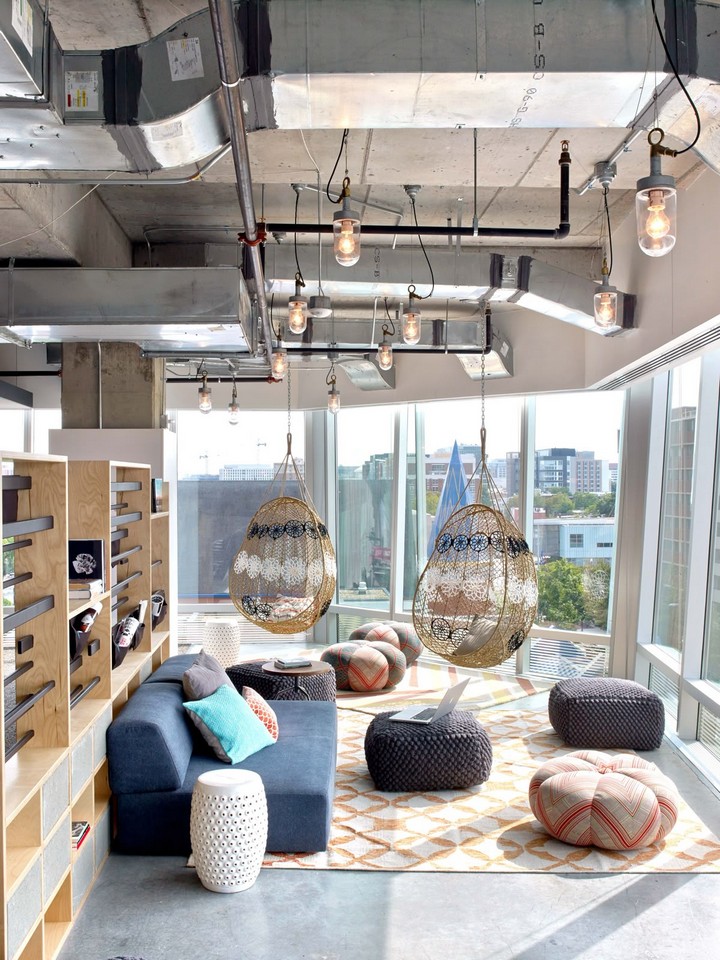
Some educational buildings now incorporate dedicated spaces designed for restorative practices. These areas support conflict resolution, community building, and healing conversations. Designed with comfort, privacy, and psychological safety in mind, restorative justice spaces feature welcoming furniture arrangements, natural materials, and symbolic elements that encourage dialogue.
This architectural innovation reflects a paradigm shift from punitive to restorative discipline models. The physical environment communicates values about accountability, relationship-building, and community responsibility.
9. Maker and Innovation Spaces

The rise of STEAM education has generated specialized architectural concepts for maker spaces, fabrication labs, and innovation hubs within schools. These areas combine studio aesthetics with industrial functionality, featuring flexible workbenches, abundant storage, natural light, and zones for different types of making, from digital fabrication to traditional craftsmanship.
Well-designed maker spaces encourage risk-taking and experimentation by providing physical and psychological safety. Transparent partitions allow visibility without acoustic interference; varied height workstations accommodate different bodies; and strategic material storage inspires creativity.
10. Outdoor Learning Environments

Educational architecture extends beyond buildings into landscape design. Outdoor learning environments serve as classrooms for environmental science, physical education, and social-emotional development. Thoughtful landscape architecture includes amphitheater-style gathering areas, diverse planting for ecological study, outdoor kitchens for food education, and natural features that teach about water systems and soil science.
Outdoor classrooms also provide environmental benefits, reducing heat island effects, managing stormwater naturally, and creating habitats for local species. Students learn through direct interaction with living systems rather than textbook descriptions.
11. Neurological Learning Environment Design

Emerging neuroscience reveals that environmental factors, color, proportion, temperature, air quality, directly impact learning. Educational architecture informed by neurology considers optimal light levels for different tasks, temperature ranges that maximize cognitive function (around 71-72°F), and air quality that prevents cognitive decline from poor ventilation.
Color psychology informs palette choices: cool tones in areas requiring focus, warmer hues in collaborative spaces. Even proportions matter; research suggests certain ratios of ceiling height to floor area influence psychological responses and learning outcomes.
12. Community-Integrated Educational Facilities

Modern educational architecture dissolves boundaries between schools and communities. Buildings designed for dual use, serving as community centers after school hours, become civic anchors. Libraries accessible to the public, performance spaces, athletic facilities, and meeting rooms create shared ownership and extended learning opportunities.
This concept recognizes that education doesn’t stop when the school day ends. Community-integrated facilities provide after-school programming, adult education, intergenerational learning, and cultural events that reinforce the school’s role as a community institution.
13. Climate-Responsive and Sustainable Design

Sustainable educational architecture goes beyond LEED certification. Climate-responsive design responds dynamically to local climate conditions through passive heating and cooling, natural ventilation, and strategic material choices. Schools in hot climates might feature thick adobe walls and small window openings; northern schools might maximize southern exposure and thermal mass.
Sustainable design also teaches through example. Students in buildings featuring visible solar arrays, rainwater harvesting systems, and green infrastructure learn environmental stewardship through daily experience rather than curriculum alone.
14. Sensory-Rich Learning Environments

Rather than creating sterile institutional spaces, leading educational architecture embraces sensory richness. Varied textures invite tactile exploration; diverse acoustic environments accommodate different auditory preferences; visual complexity with natural patterns stimulates rather than overwhelms; and seasonal scents create emotional anchors for memory.
Sensory-rich design acknowledges that learning engages all senses. Natural wood feels different from plastic; cork absorbs sound differently than tile; plants provide subtle fragrances. These sensory layers create emotionally resonant spaces where students feel present and engaged.
What educational spaces have most positively impacted your learning? How does your current school building support, or hinder, the learning you want to see? Share your experiences in the comments below. Your insights help educators and architects understand what truly works.