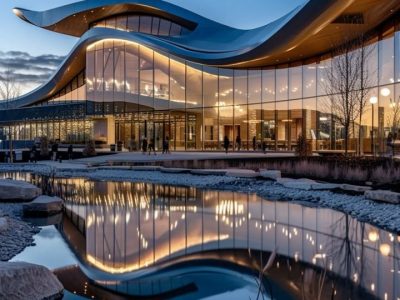


Modern school architecture represents far more than aesthetics, it’s a blueprint for how educational environments shape student development, teacher effectiveness, and community engagement. As educators and architects recognize that learning spaces profoundly influence academic outcomes, schools worldwide are reimagining their physical infrastructure to reflect contemporary pedagogical philosophies.
Today’s educational institutions face unprecedented demands. Students need flexible spaces that accommodate diverse learning styles, collaborative environments that encourage teamwork, and facilities that reflect digital-age expectations. Teachers require functional classrooms equipped with technology and adaptable layouts. Meanwhile, communities demand sustainable, economically viable buildings that serve multiple purposes.
Modern school architecture addresses these challenges by integrating open floor plans, natural lighting, green spaces, and versatile learning zones. This shift represents a fundamental change in how we think about educational spaces, moving from rigid, compartmentalized classrooms to dynamic, multi-functional environments.
1. Modular Learning Pods
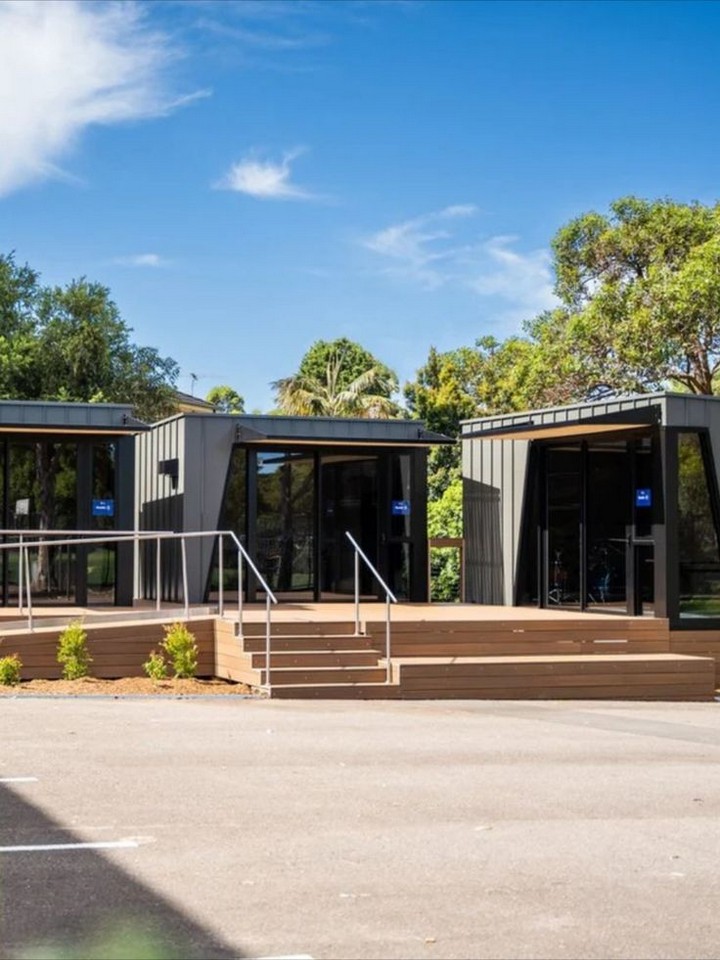
Architects increasingly design schools with modular, self-contained learning units. These pods can be reconfigured based on teaching methods, class sizes, or specific subjects, offering unprecedented flexibility for evolving curriculum needs.
2. Transparent Glass Partitions
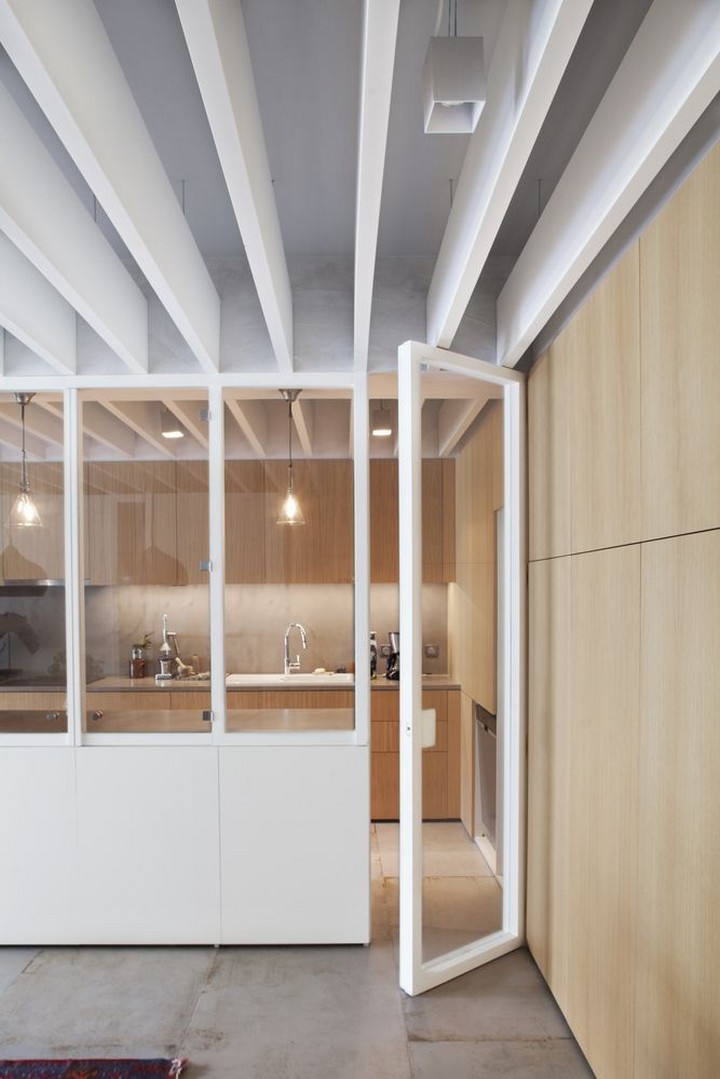
Using glass walls instead of solid barriers creates visual openness while maintaining acoustic separation. This design fosters a sense of community and allows natural light to penetrate deeper into the building.
3. Central Atrium Gathering Spaces
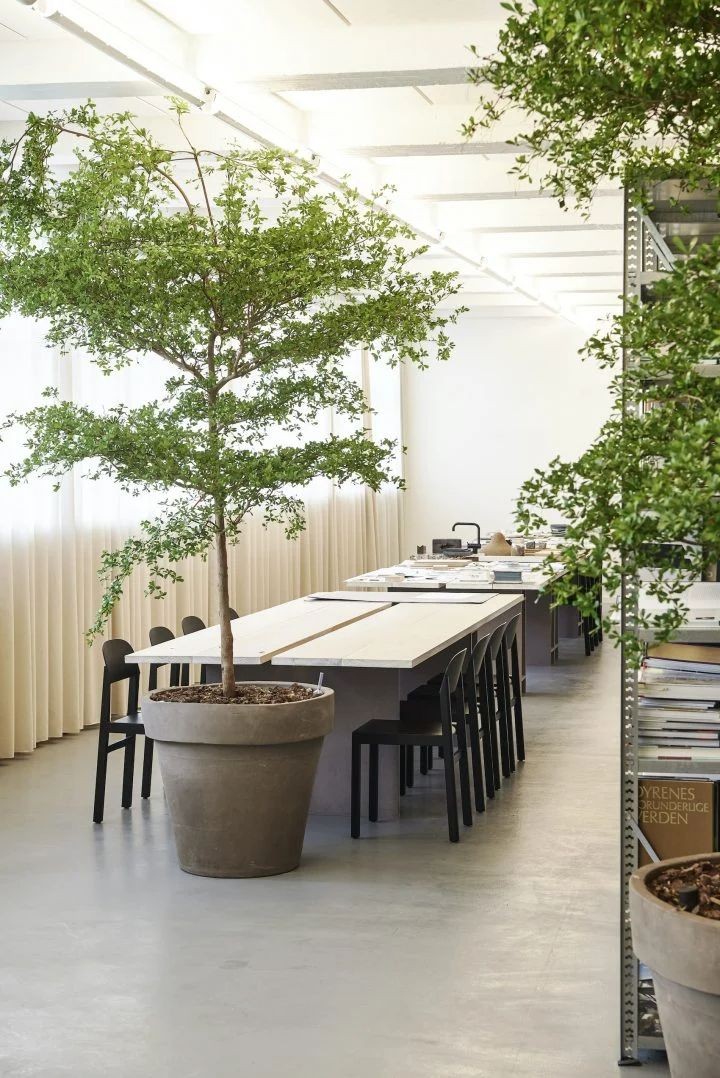
Large, open atriums serve as social hubs where students naturally congregate. These multipurpose areas host assemblies, performances, and informal learning while breaking monotony in daily routines.
4. Nature-Integrated Courtyards
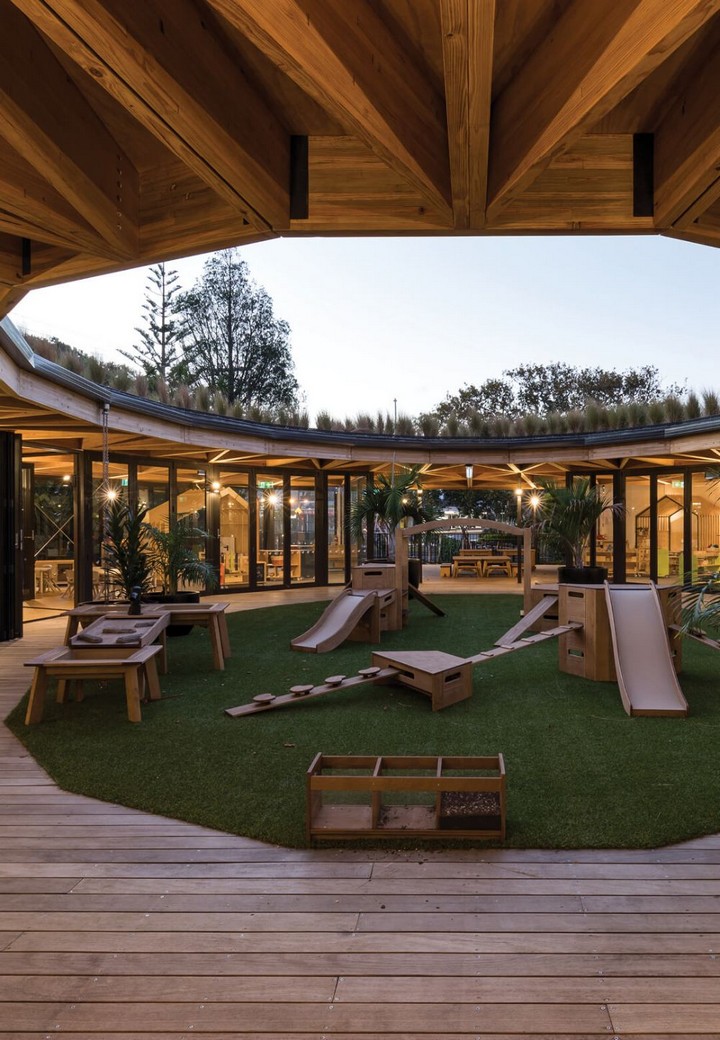
Schools increasingly incorporate courtyards with native plants, water features, and seating areas. These green spaces provide outdoor learning environments and psychological benefits that enhance student wellbeing.
5. Technology-Ready Classrooms
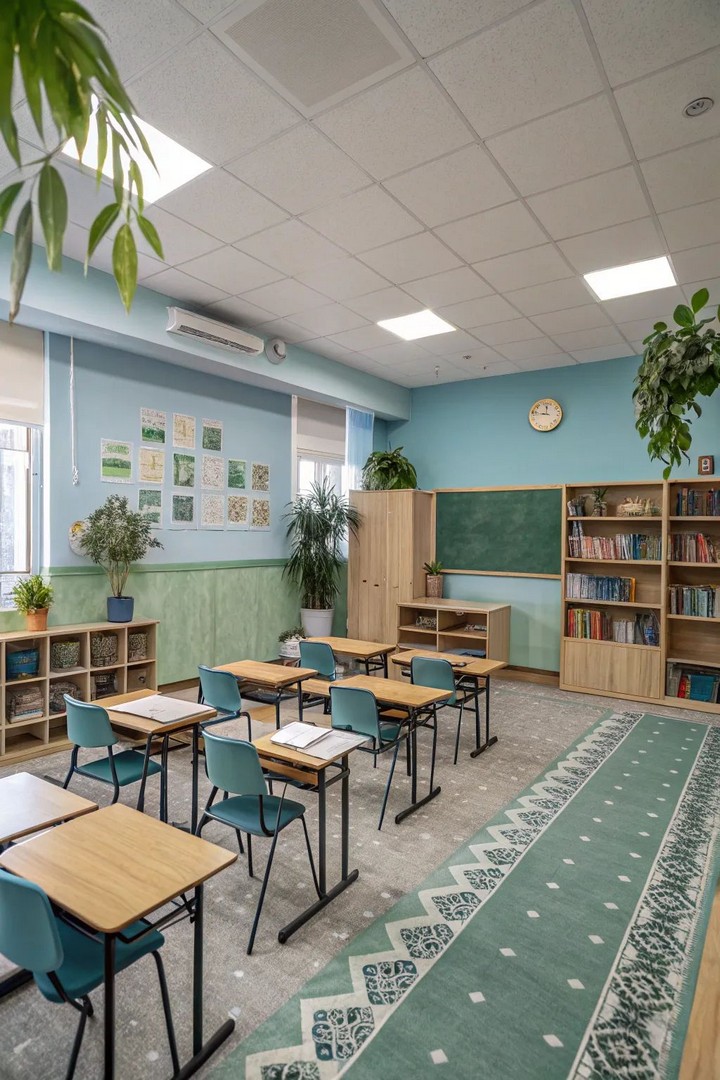
Modern classrooms feature built-in charging stations, interactive display systems, and robust Wi-Fi infrastructure. This seamless technology integration supports contemporary teaching methods without cluttered wiring.
6. Biophilic Design Elements
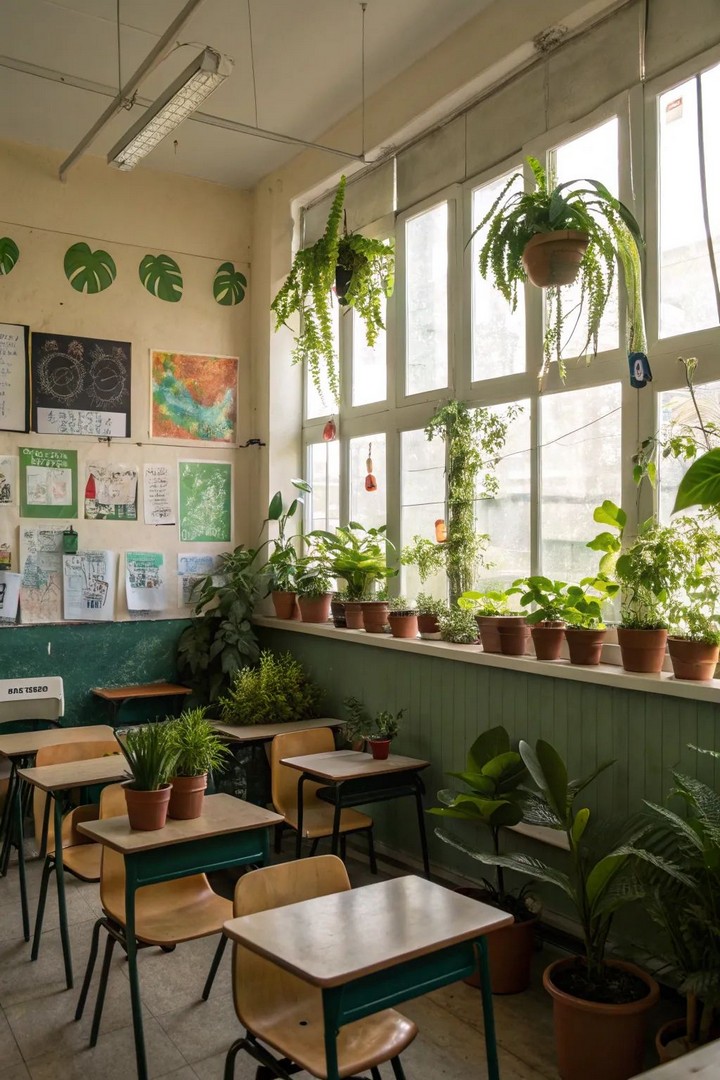
Incorporating living walls, indoor gardens, and natural materials creates calming, psychologically restorative learning environments that boost focus and reduce stress.
7. Collaborative Learning Neighborhoods
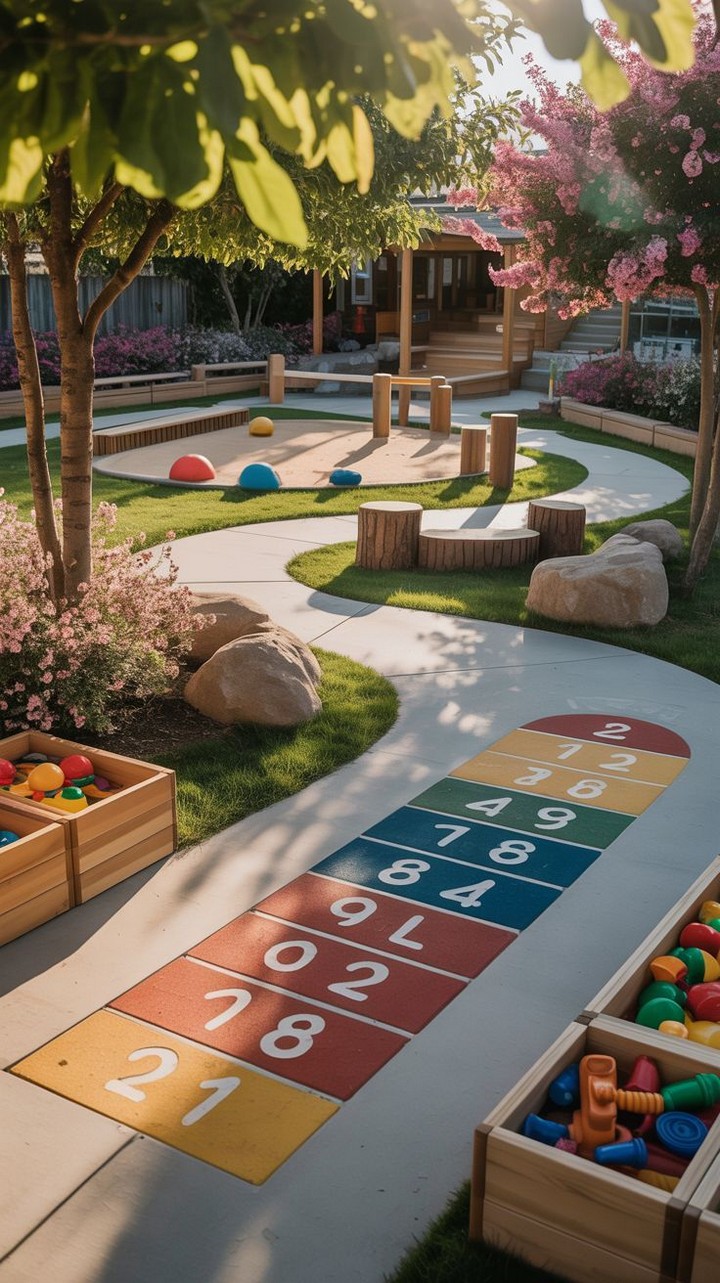
Rather than isolated classrooms, schools design interconnected learning neighborhoods with group work spaces, resource centers, and flexible seating areas encouraging peer interaction.
8. Accessible Universal Design
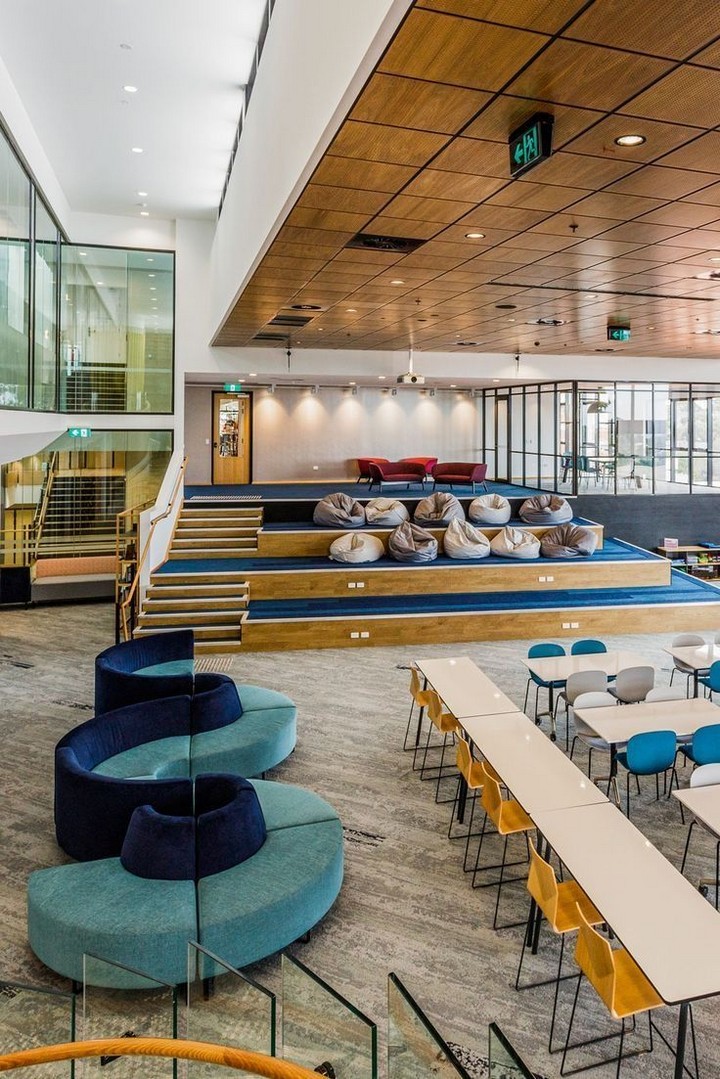
Modern school architecture prioritizes accessibility for all students, including ramps, elevators, accessible restrooms, and thoughtful spatial planning that accommodates diverse physical abilities.
9. Maker Spaces and Innovation Labs
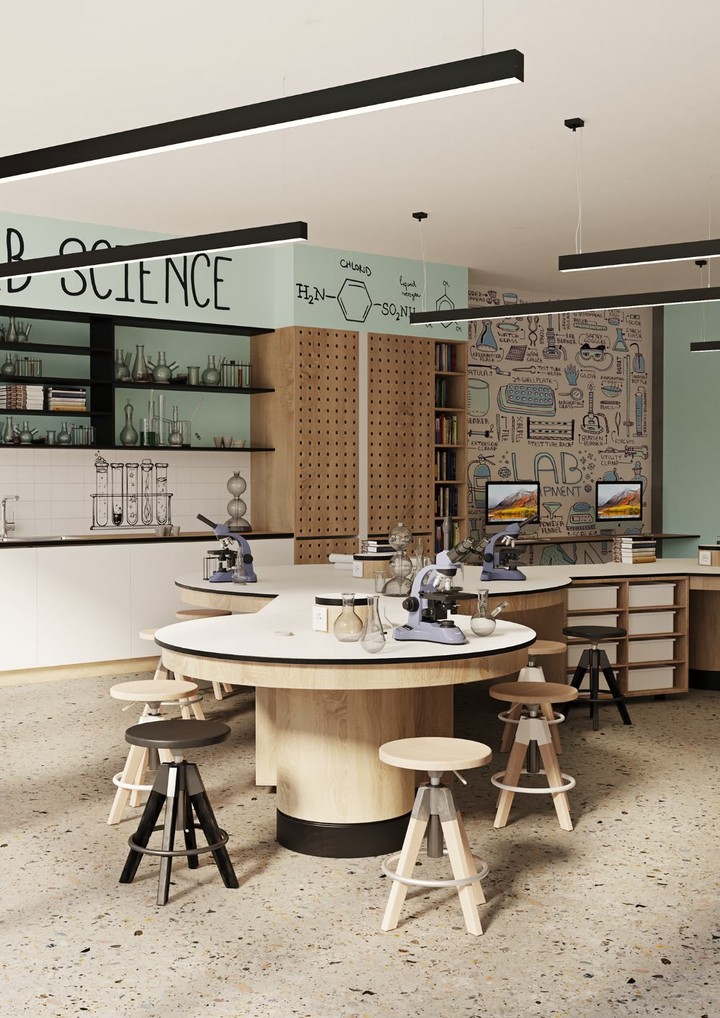
Dedicated areas for hands-on creation, experimentation, and problem-solving reflect 21st-century skill development, featuring workbenches, tools, 3D printers, and collaborative tables.
10. Natural Ventilation Systems
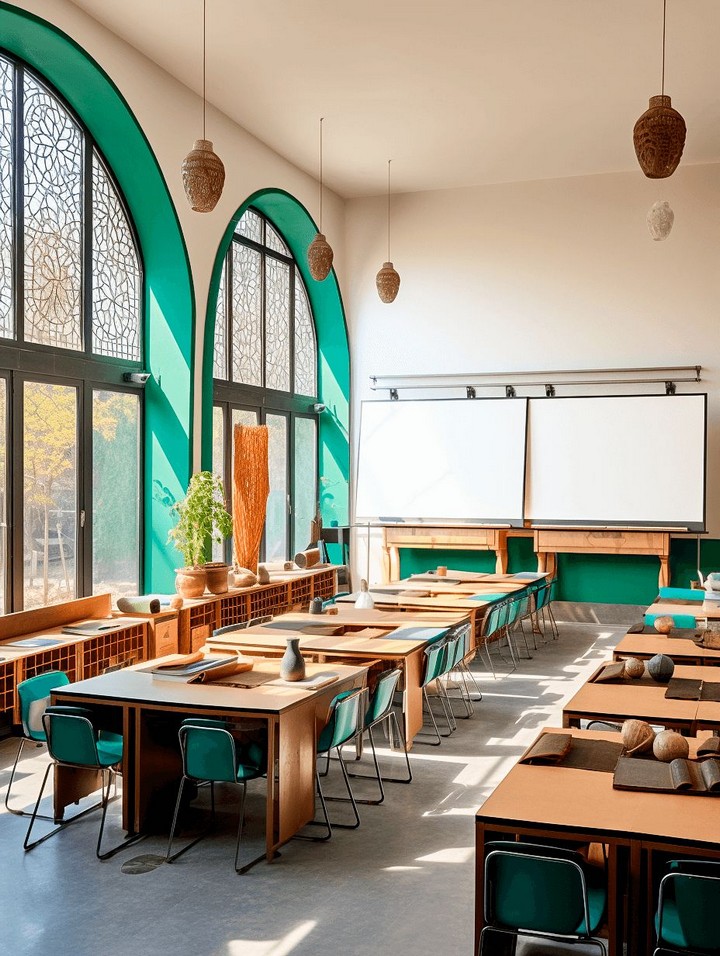
Contemporary schools employ operable windows, strategic placement, and architectural features that promote natural air circulation, reducing dependence on HVAC systems while improving indoor air quality.
11. Acoustic Design Excellence
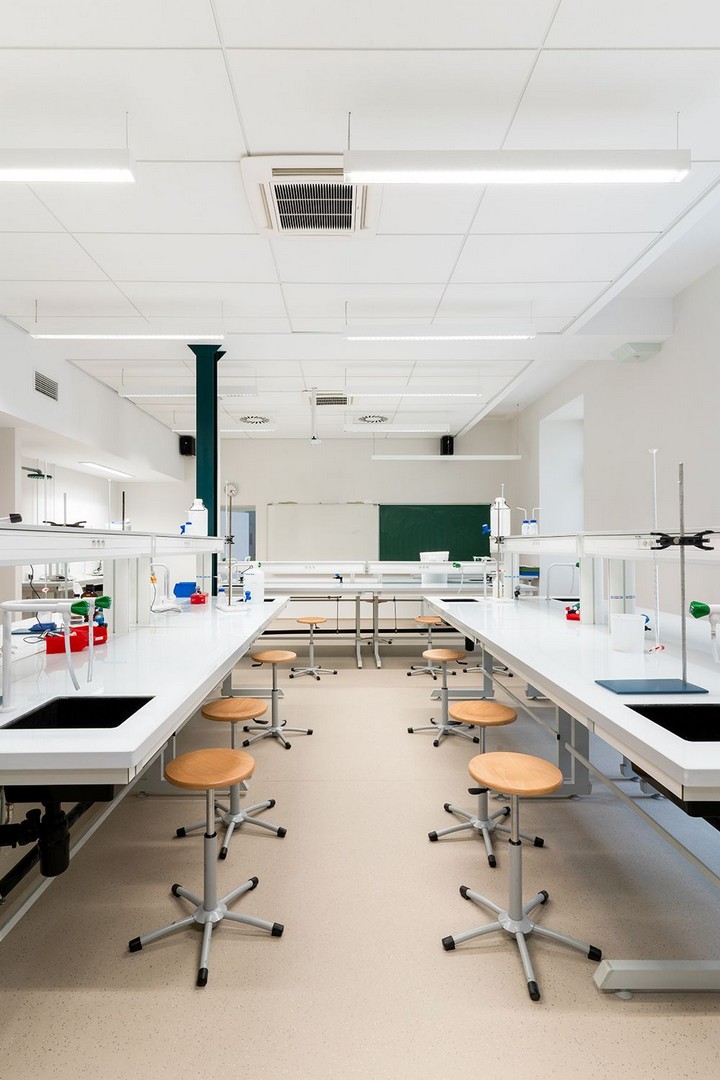
Modern buildings utilize sound-absorbing materials, strategic room placement, and architectural features that minimize noise transmission, creating focused learning environments.
12. Circular Staircases as Design Features
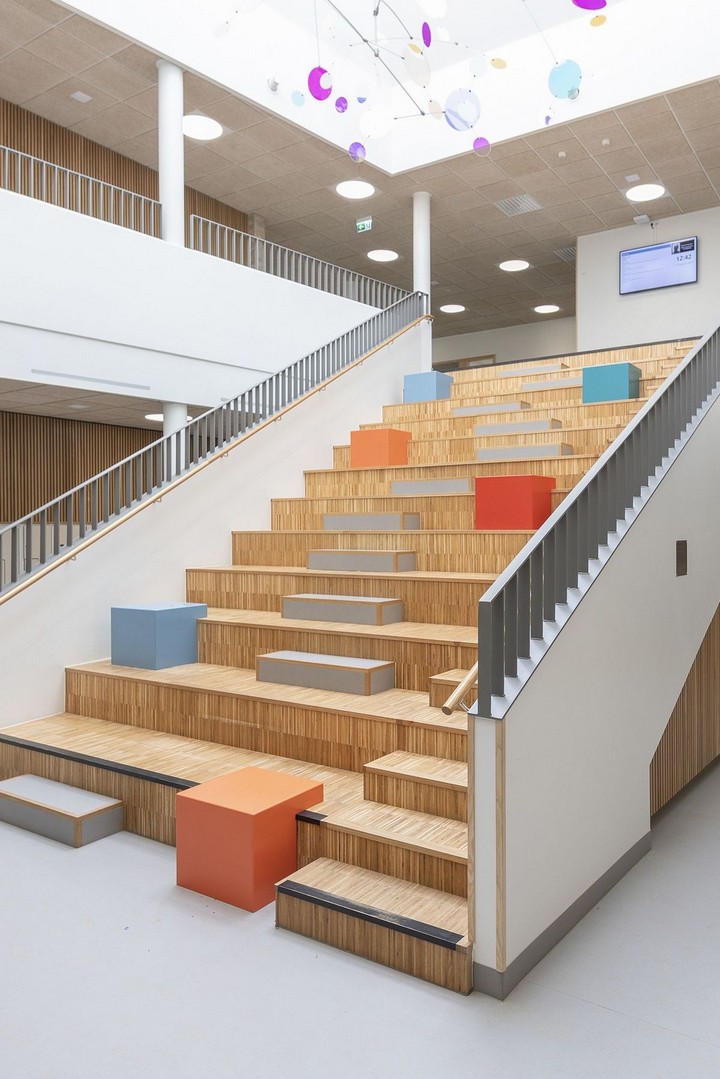
Rather than utilitarian afterthoughts, staircases become sculptural, visually striking elements that encourage movement and serve as wayfinding landmarks throughout buildings.
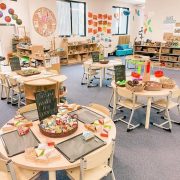
13. Flexible Seating Configurations

Movable furniture, varied seating heights, and standing options accommodate different body types and learning preferences, promoting comfort and engagement.
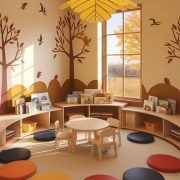
14. Reading Nooks and Refuge Spaces
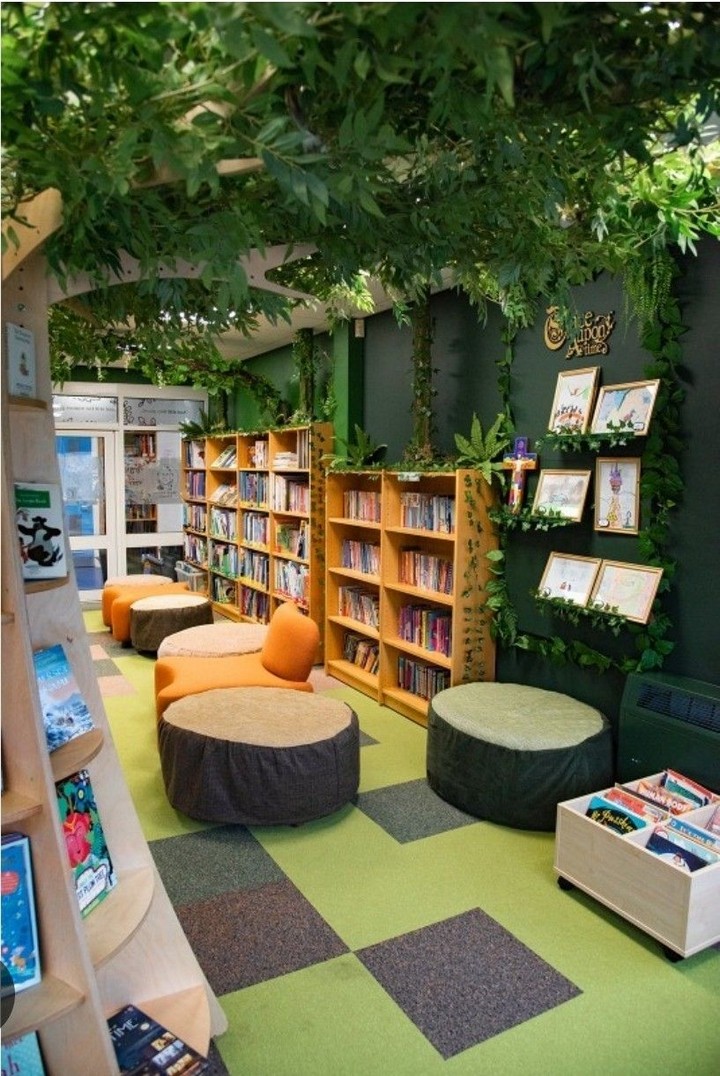
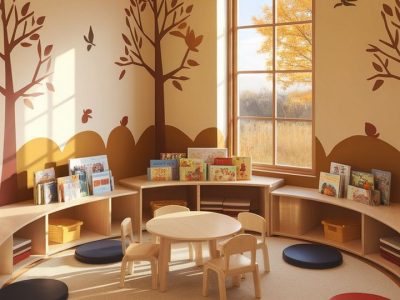
Architects design intimate spaces for quiet reflection, independent reading, or students needing breaks from stimulation, recognizing that some learning requires solitude.
15. Multi-Purpose Sports Facilities
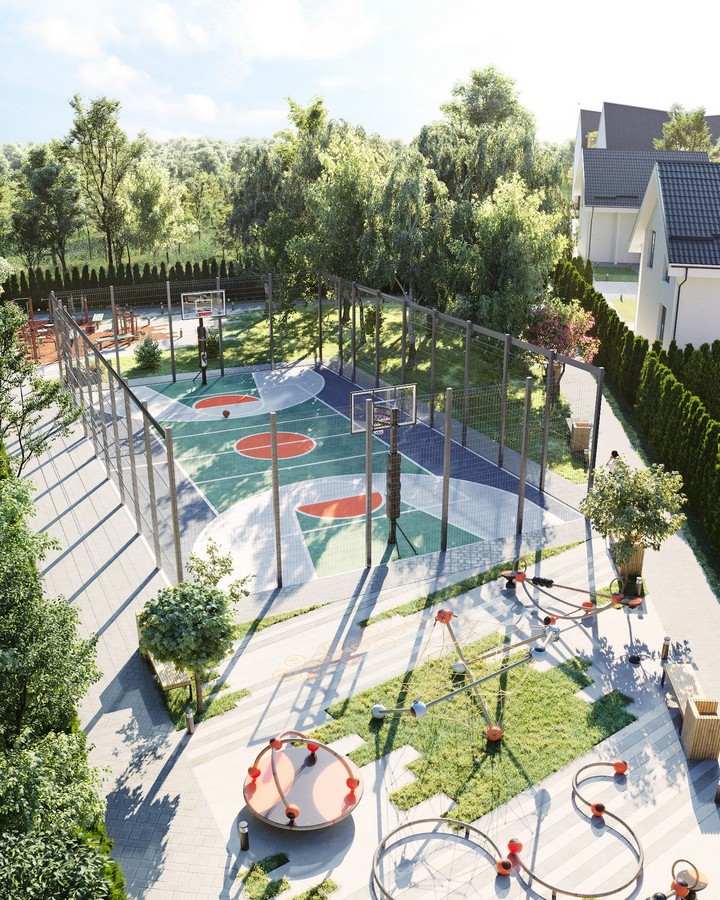
Modern schools maximize limited land through convertible athletic spaces, rooftop gardens, and innovative designs that serve multiple functions while maintaining quality standards.
16. Sustainable Building Materials
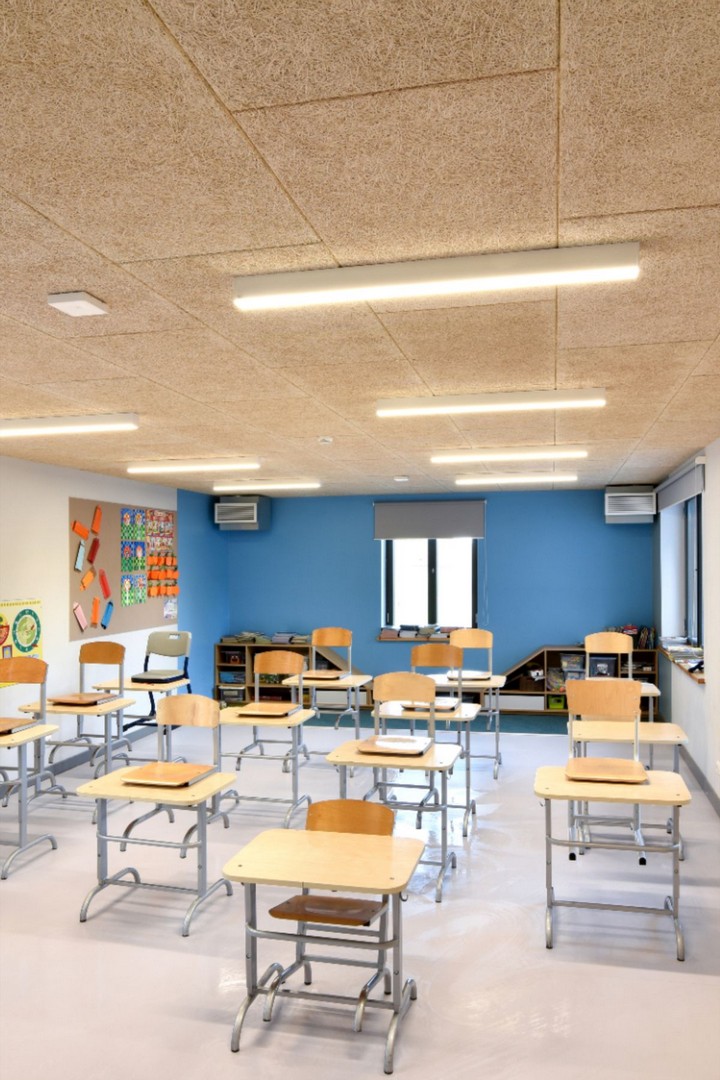
Recycled, locally-sourced, and environmentally responsible materials reduce environmental impact while educating students about sustainable practices through the built environment itself.
17. Abundant Natural Lighting
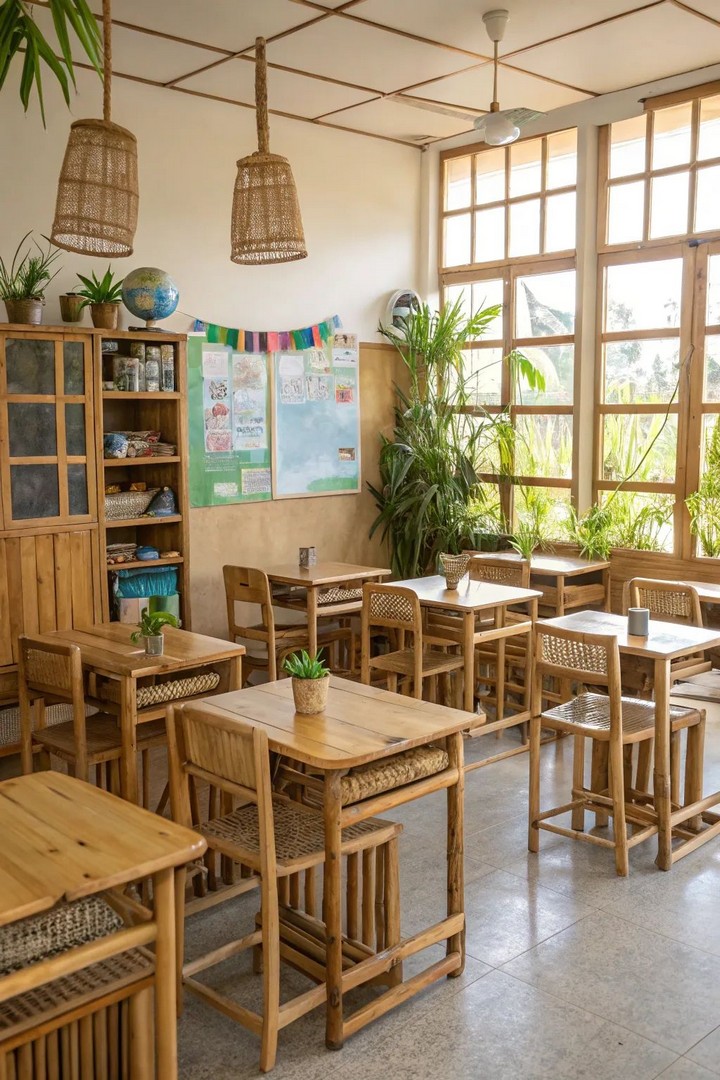
Strategic window placement, skylights, and clerestory windows minimize artificial lighting needs while providing documented benefits for student alertness and academic performance.
18. Student-Inspired Design Participation
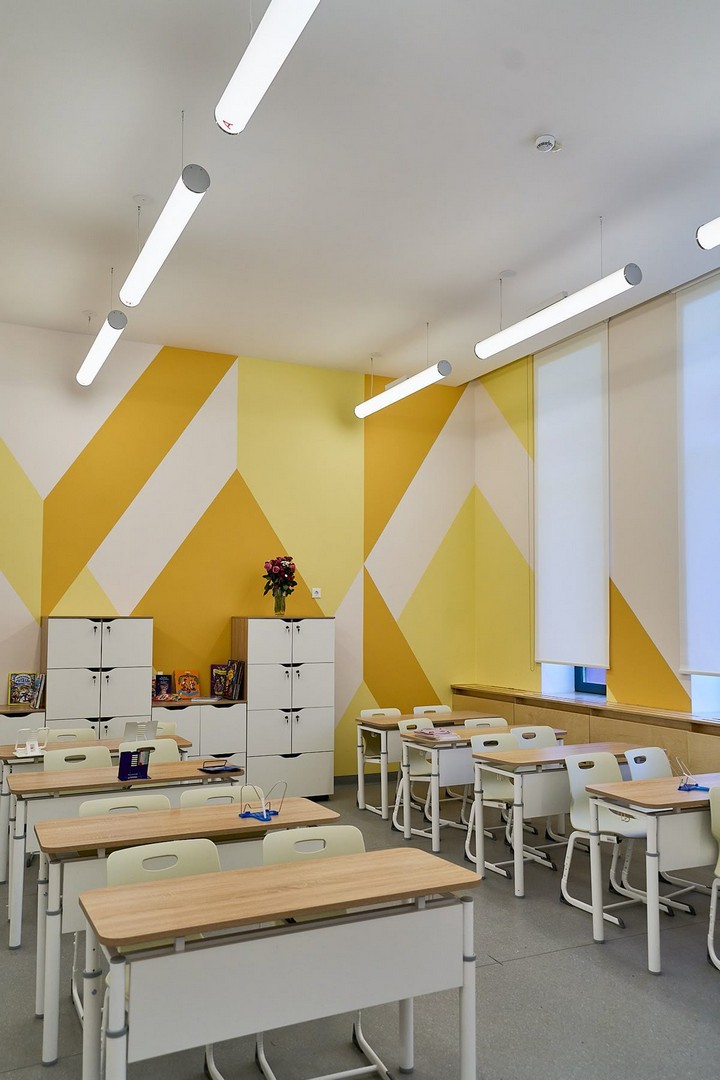
Progressive schools involve students in design processes, creating spaces that reflect their needs and preferences while fostering ownership and investment in their learning environments.
19. Integrated Library Commons
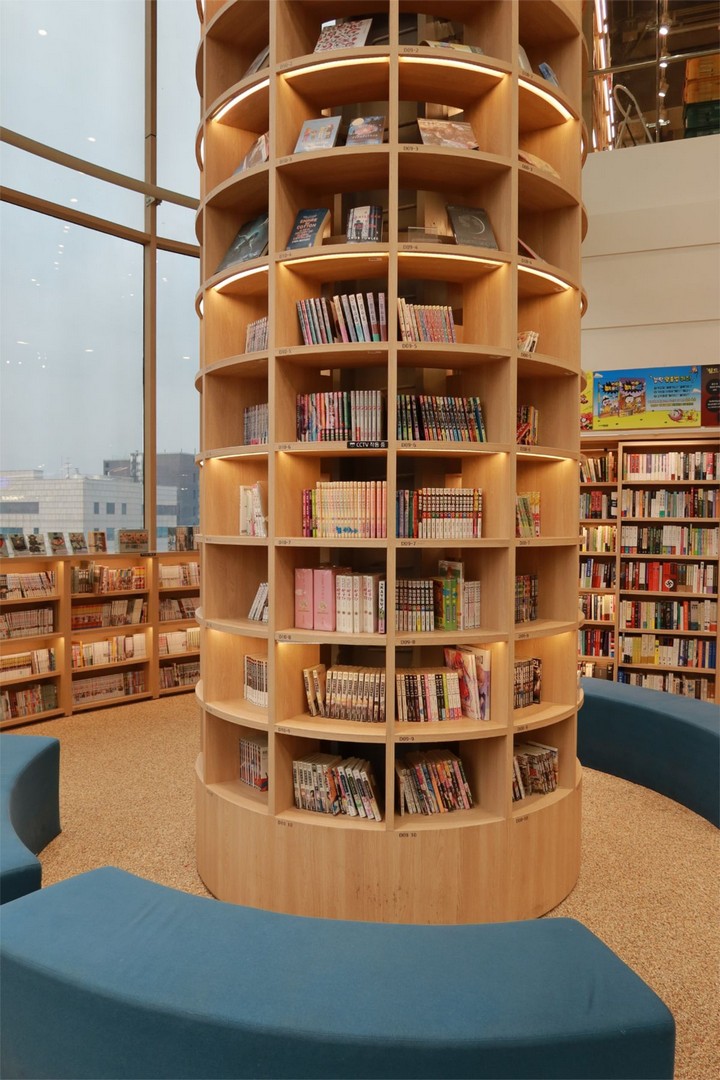
Modern libraries transform into vibrant information commons combining media centers, collaborative spaces, performance areas, and technology hubs, repositioning libraries as central school community spaces.
20. Mental Health Support Spaces
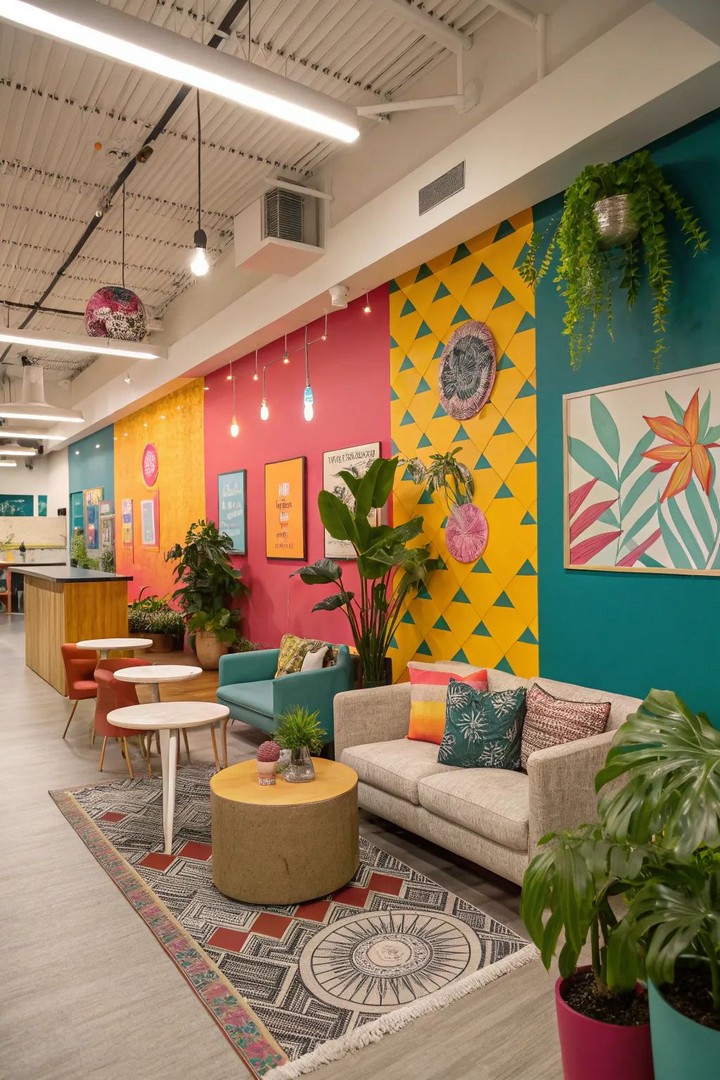
Dedicated counseling areas, meditation rooms, and quiet reflection spaces acknowledge the importance of emotional wellbeing, providing resources within the school environment.
21. Community-Integrated Buildings
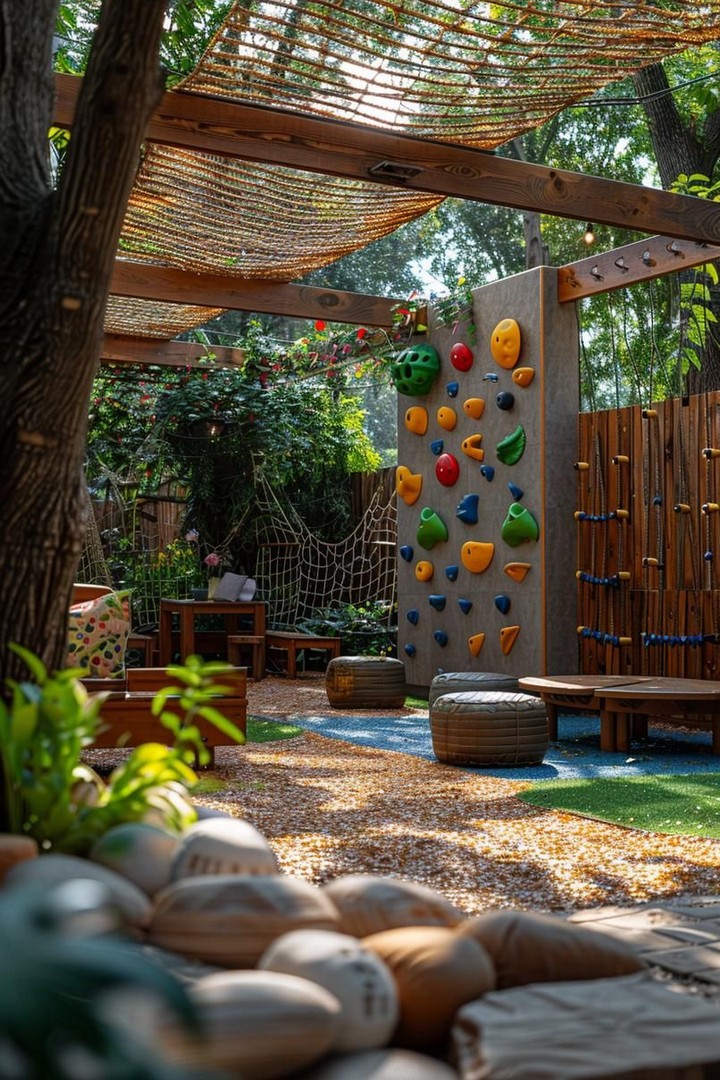
Schools increasingly function as community hubs with public libraries, performance theaters, and recreation facilities, maximizing resource efficiency while strengthening neighborhood connections.
22. Rain Garden and Water Management Features
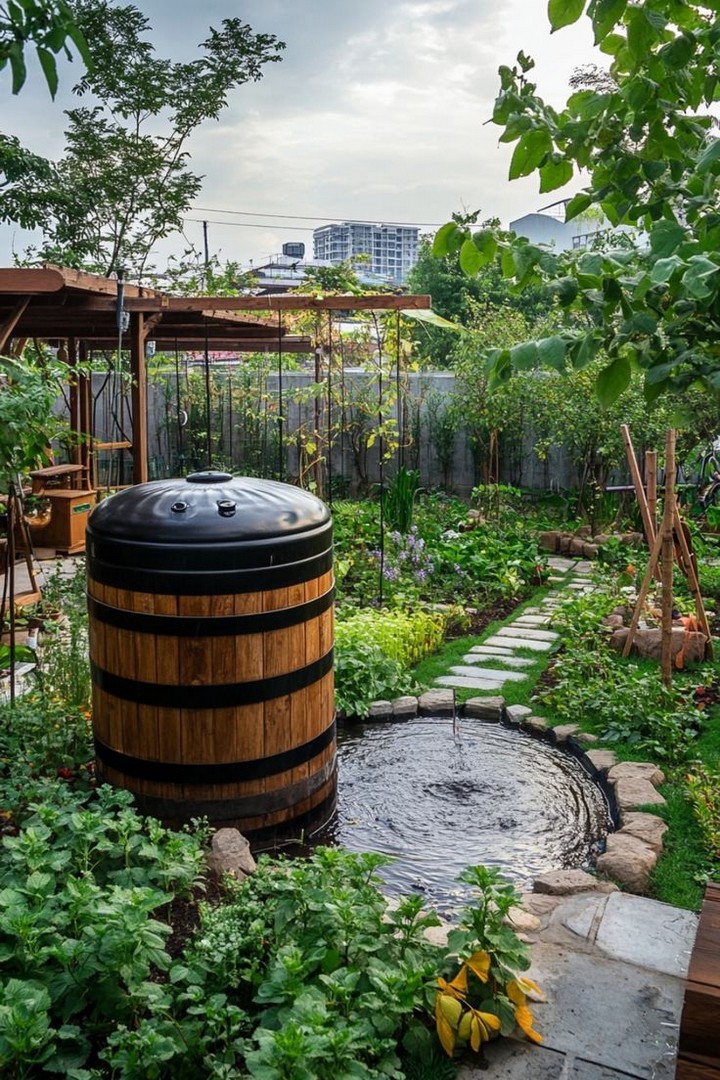
Sustainable landscape architecture manages stormwater through bioswales and rain gardens, reducing runoff while creating outdoor learning opportunities about environmental stewardship.
23. Thermal Comfort Zoning
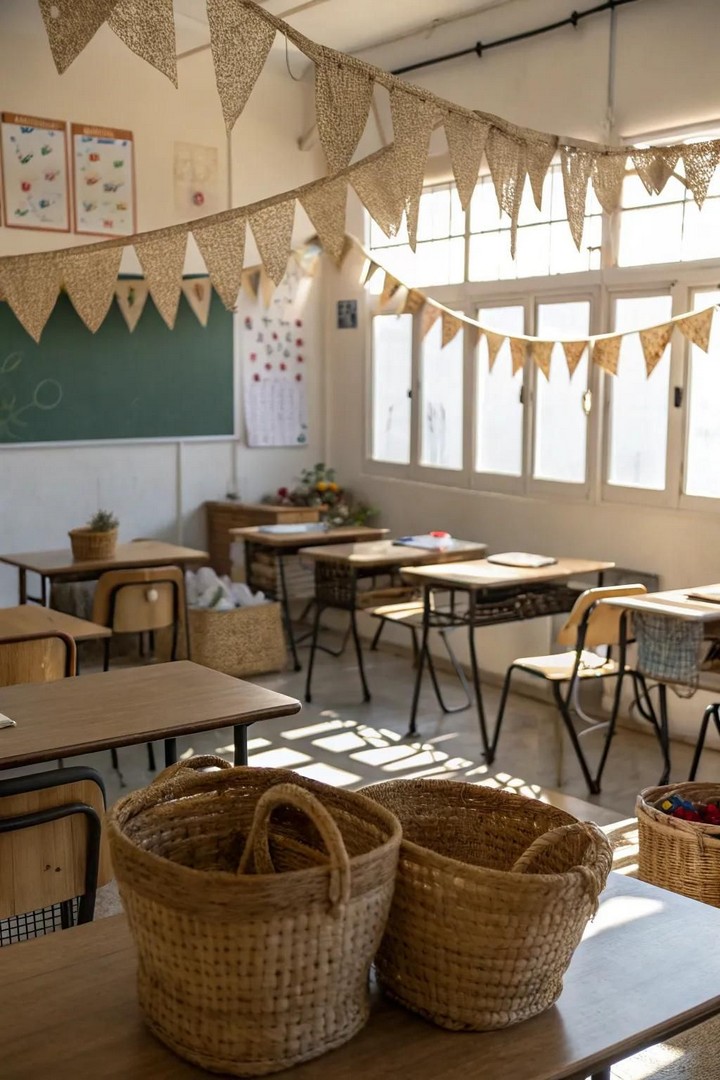
Variable heating and cooling by zone reduces energy consumption while accommodating personal comfort preferences and different activity levels in various school spaces.
24. Outdoor Classroom Structures
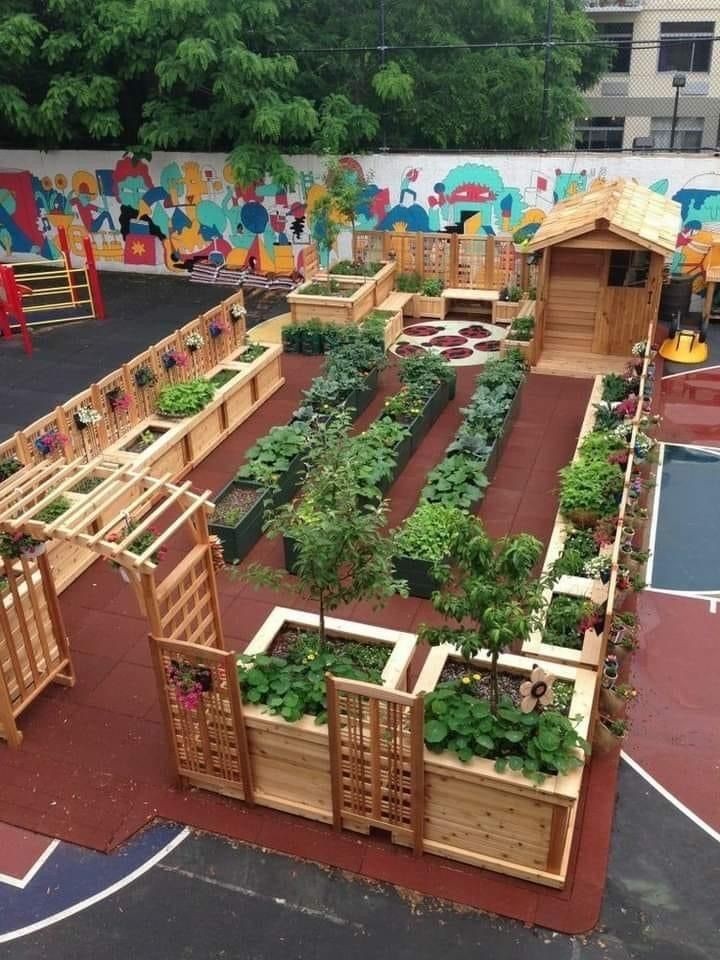
Covered outdoor spaces with teaching infrastructure enable weather-protected outdoor instruction, connecting academic learning directly with nature and fresh air.
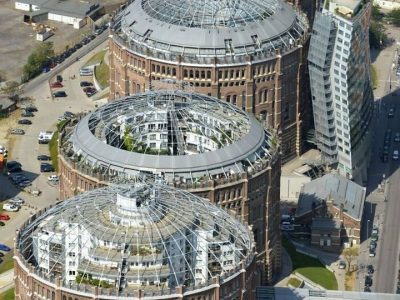
25. Adaptive Reuse Conversions
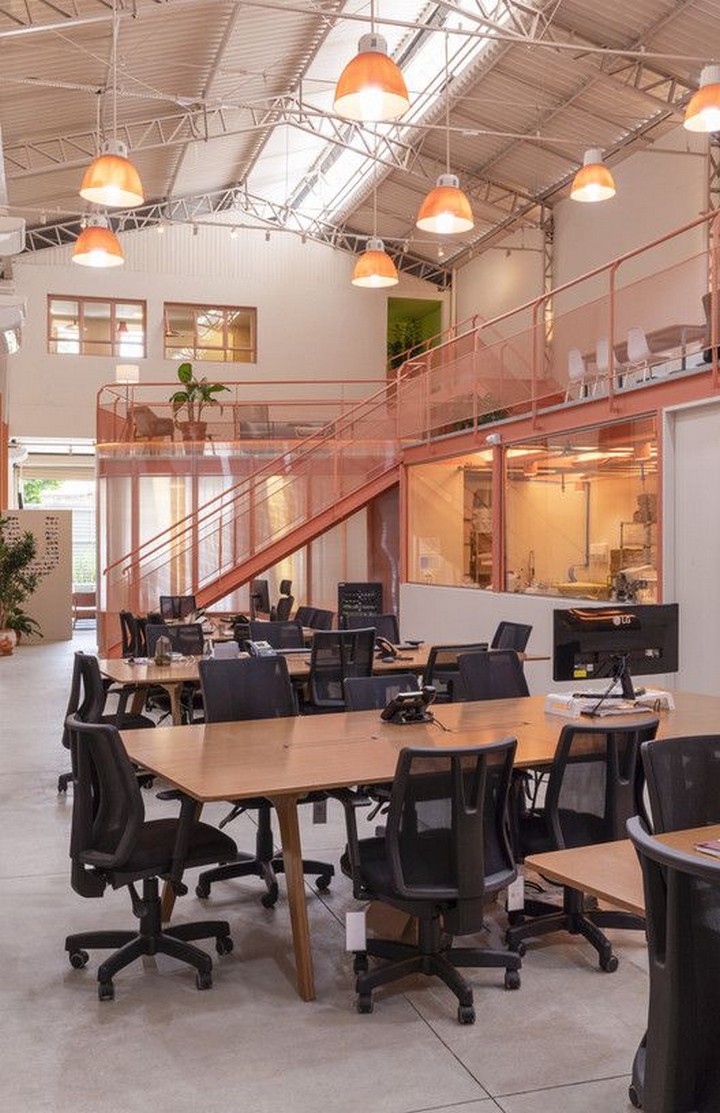
Forward-thinking communities transform historic buildings, warehouses, and industrial spaces into innovative learning environments that preserve neighborhood character while meeting contemporary educational needs.
Successful contemporary school buildings balance multiple demands: they’re economically sustainable, environmentally responsible, technologically equipped, psychologically supportive, and fundamentally flexible. They prioritize student wellbeing, teacher effectiveness, and community engagement while remaining adaptable to future educational innovations we cannot yet predict.
What inspires you most about modern school architecture? Are there specific design elements you’d like to see incorporated into educational buildings in your community? Share your thoughts in the comments below, we’d love to hear about your vision for tomorrow’s learning environments.