
Creating an engaging, welcoming, and stimulating kindergarten environment is one of the most rewarding aspects of early childhood education. The right classroom design can spark curiosity, foster creativity, and make learning an adventure that five and six-year-olds eagerly anticipate each day. Whether you’re a teacher preparing for a new school year, a parent exploring educational spaces, or an administrator looking to revamp your facilities, these 27 cutest kindergarten classroom ideas will transform any learning space into a magical haven for young minds.
1. Rainbow Reading Nook
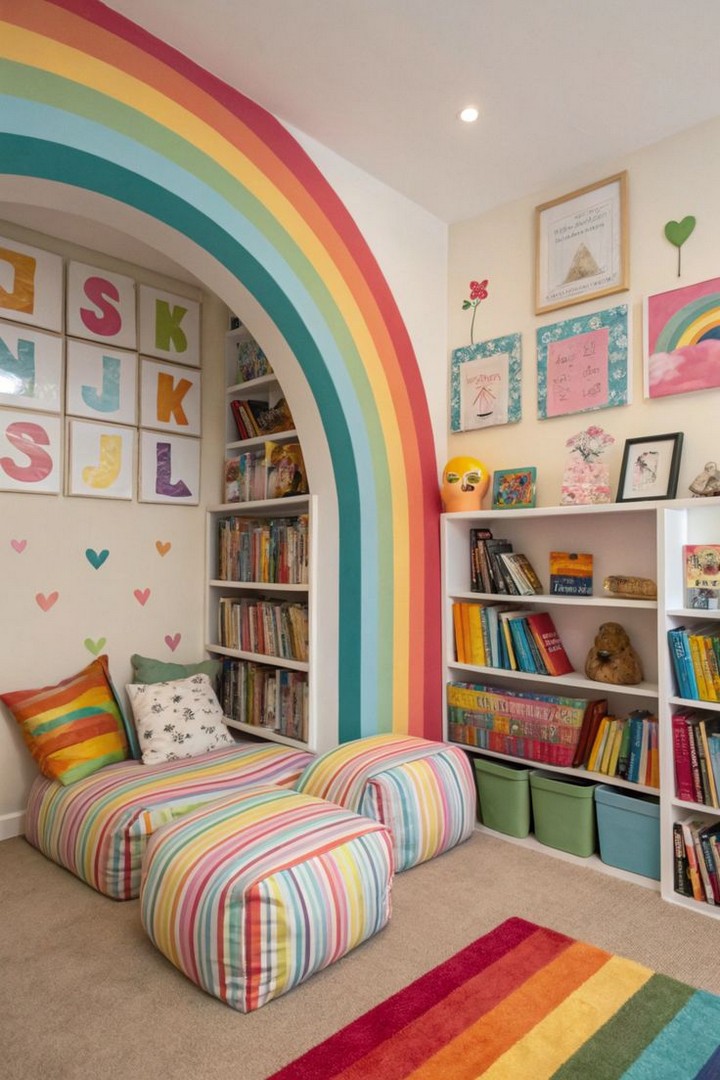
Transform a corner of your classroom into a cozy reading sanctuary featuring rainbow-colored cushions, a canopy draped with fairy lights, and low bookshelves organized by color. This Instagram-worthy space encourages independent reading while creating a calming retreat where students can explore stories at their own pace.
2. Nature-Inspired Learning Center
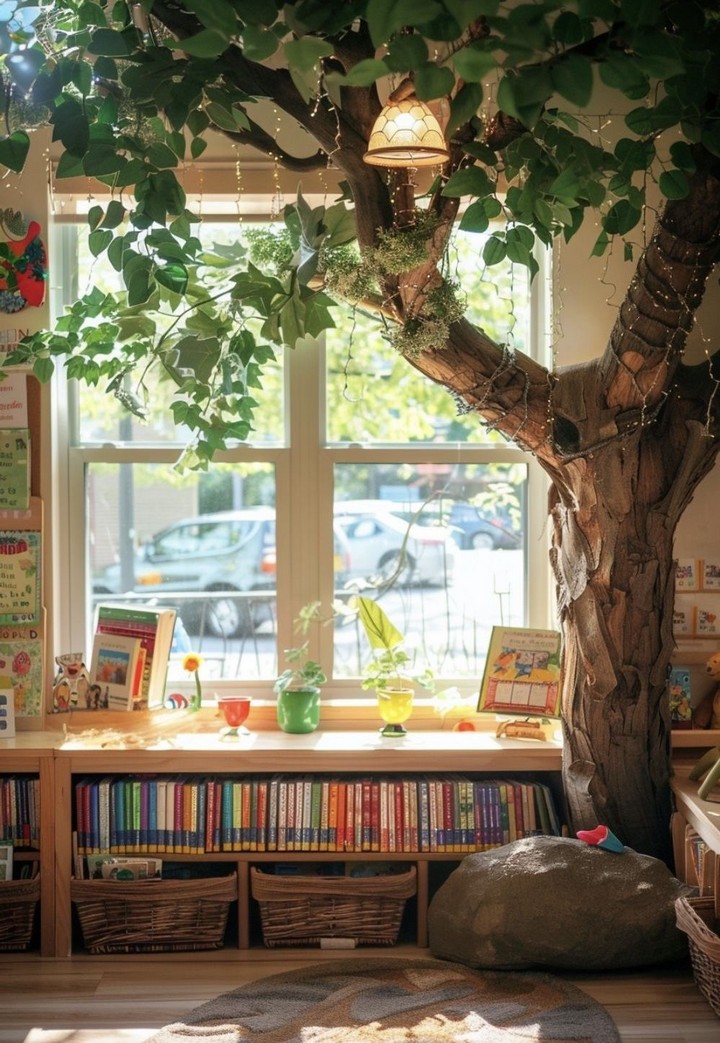
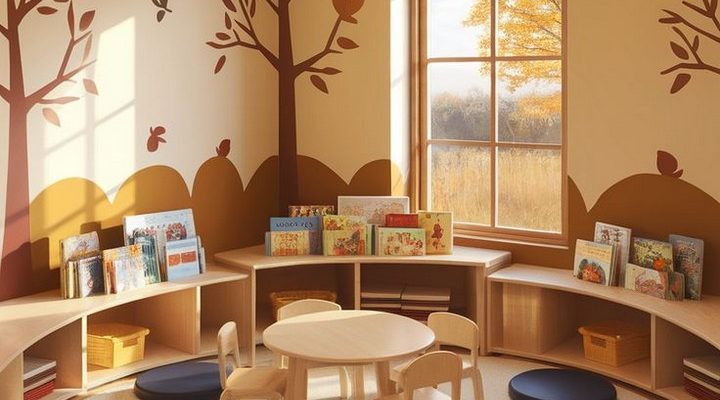
Bring the outdoors inside with natural wood furniture, potted plants, a small indoor garden, and nature-themed wall decals. Incorporate tree stump seating and a sensory table filled with pinecones, leaves, and smooth stones. This biophilic design approach reduces stress and connects children with the natural world.
3. Flexible Seating Arrangement
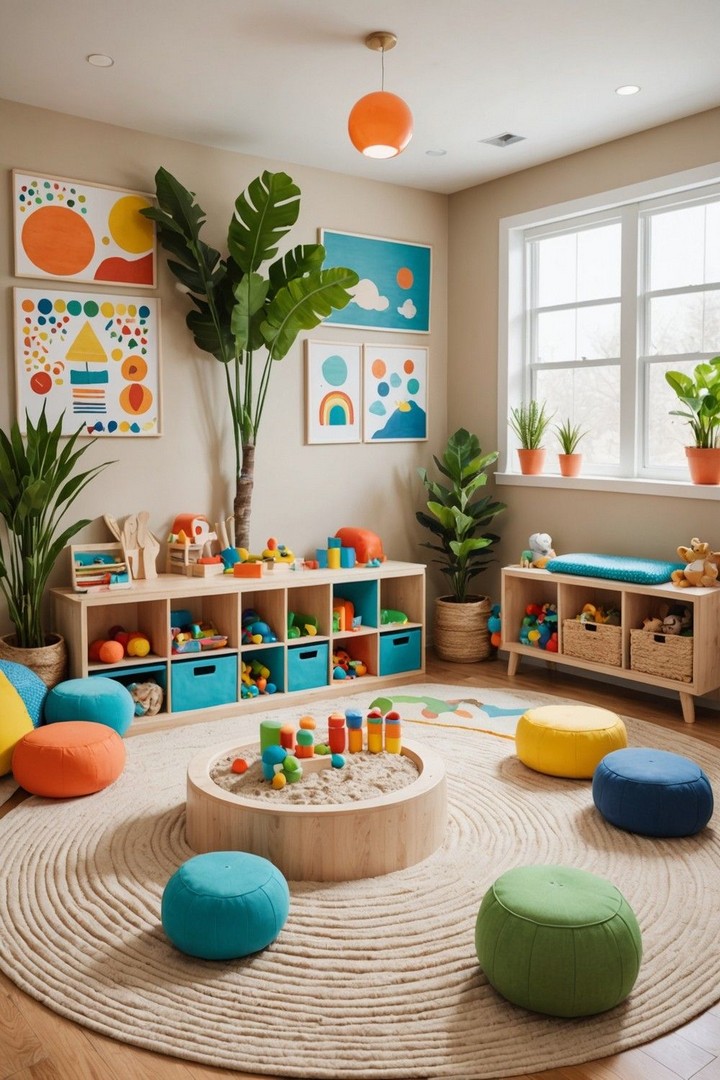
Move beyond traditional desks with wobble stools, bean bags, floor cushions, standing desks, and collaborative table clusters. Allowing kindergarteners to choose their seating empowers them and accommodates different learning preferences and energy levels throughout the day.
4. Interactive Word Wall
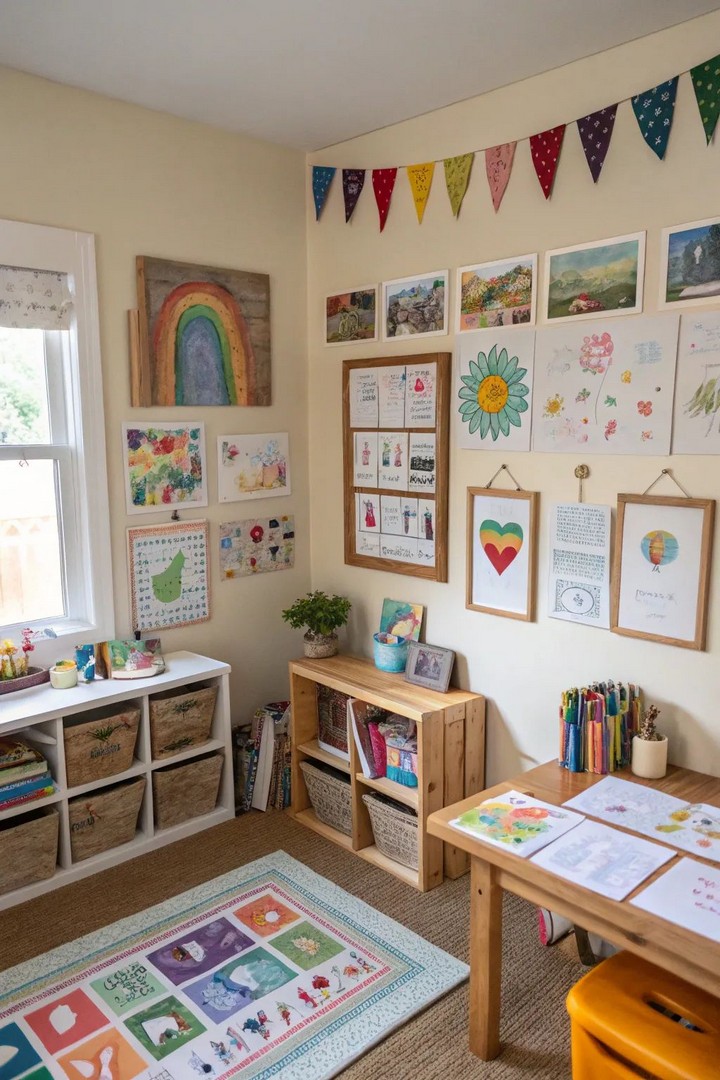
Create an eye-catching word wall with colorful letter cards, high-frequency words, and student name displays. Use velcro or magnetic backing so children can physically interact with words during literacy activities, making vocabulary acquisition tactile and engaging.
5. Kindness Corner
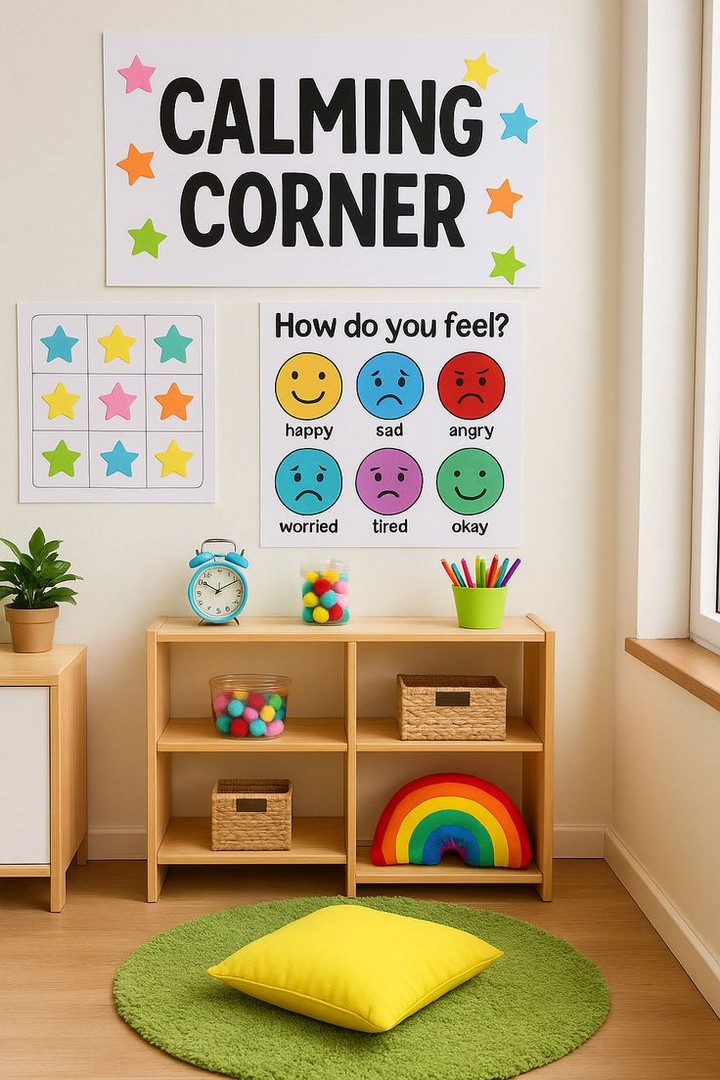
Designate a special area celebrating positive behavior with a “kindness tree” where paper leaves display student compliments, a friendship bench, and inspirational quotes at child height. This space reinforces social-emotional learning and creates a classroom culture of compassion.
6. Sensory Pathway
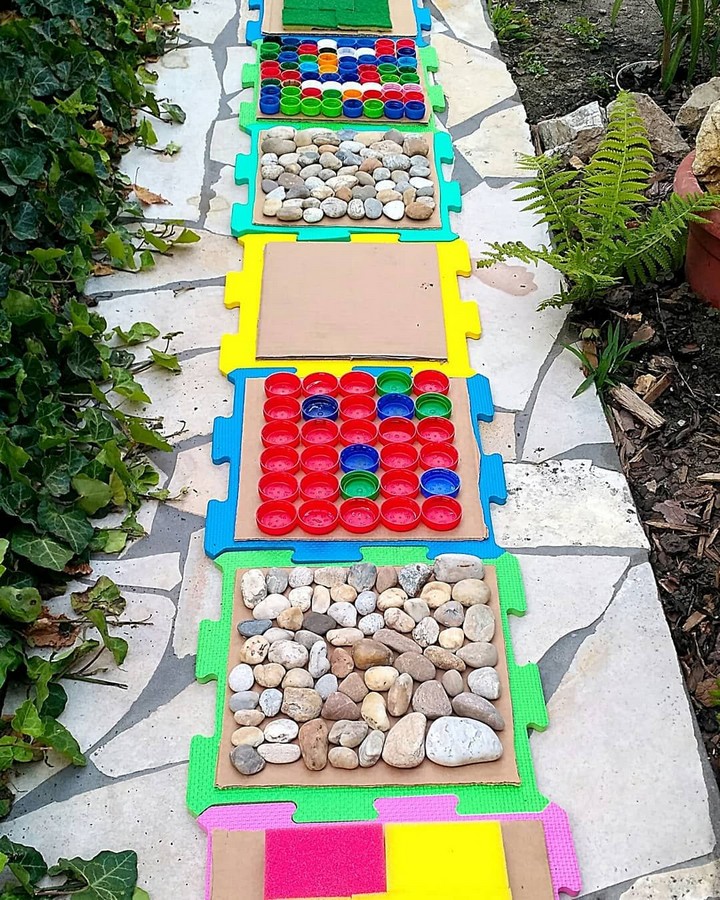
Install a sensory path using colorful floor decals featuring hopscotch patterns, animal footprints, and balance challenges. This provides brain breaks and helps kinesthetic learners refocus between transitions, supporting both physical development and classroom management.
7. Mini Dramatic Play Café
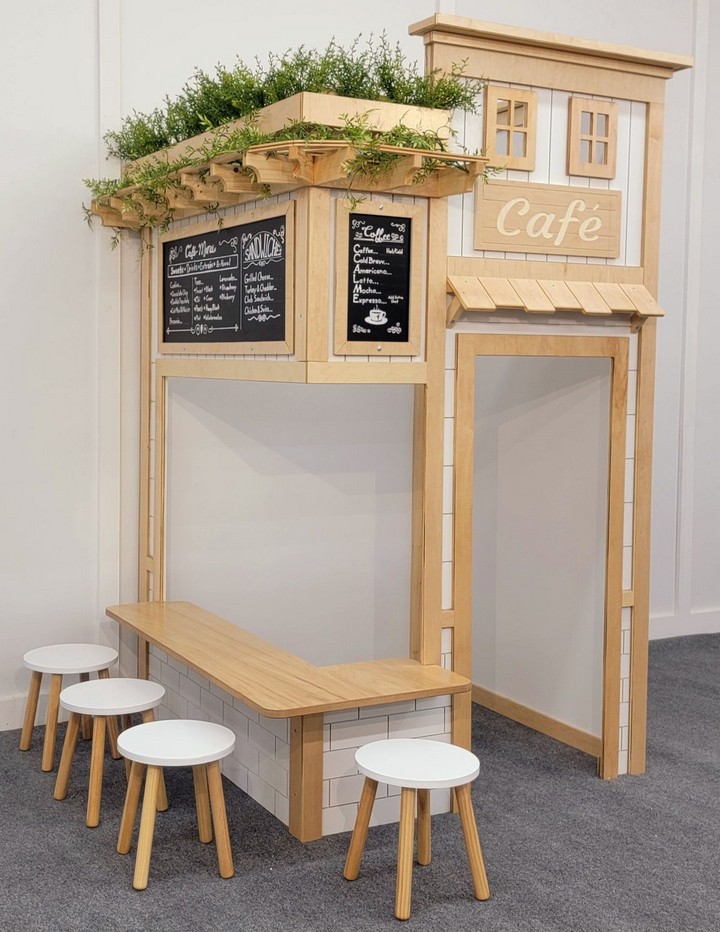
Set up an adorable play café complete with a pretend register, play food, menus, and a small table with chairs. This imaginative play center develops social skills, early math concepts through “transactions,” and language development through role-playing scenarios.
8. Alphabet Adventure Wall
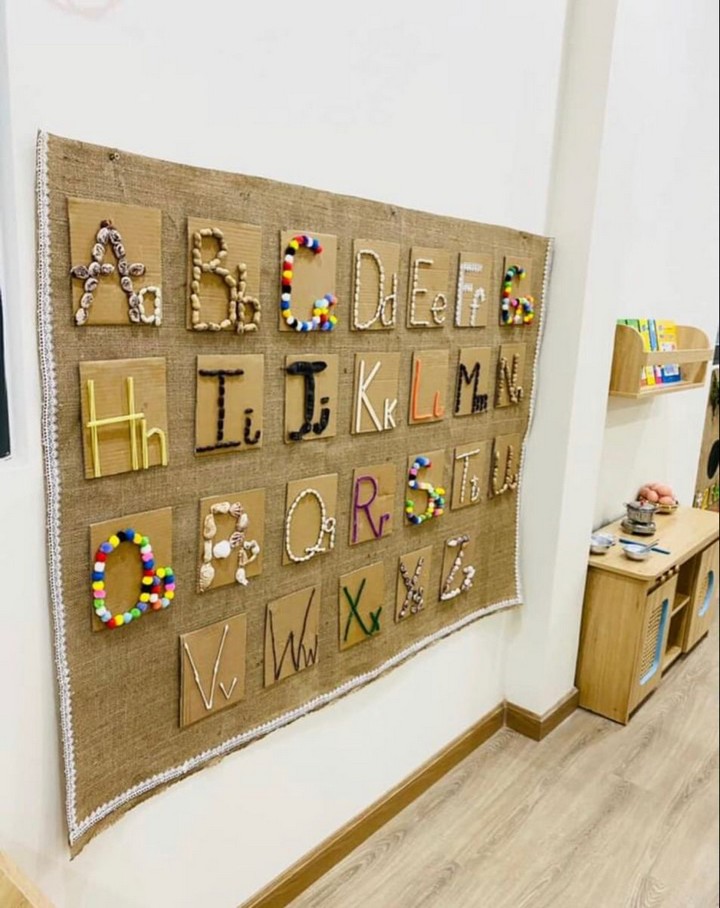
Design an engaging alphabet display where each letter features multiple representations, uppercase, lowercase, corresponding images, and tactile elements children can touch. Incorporate photographs of students whose names begin with each letter for personalization.
9. Calm Down Station
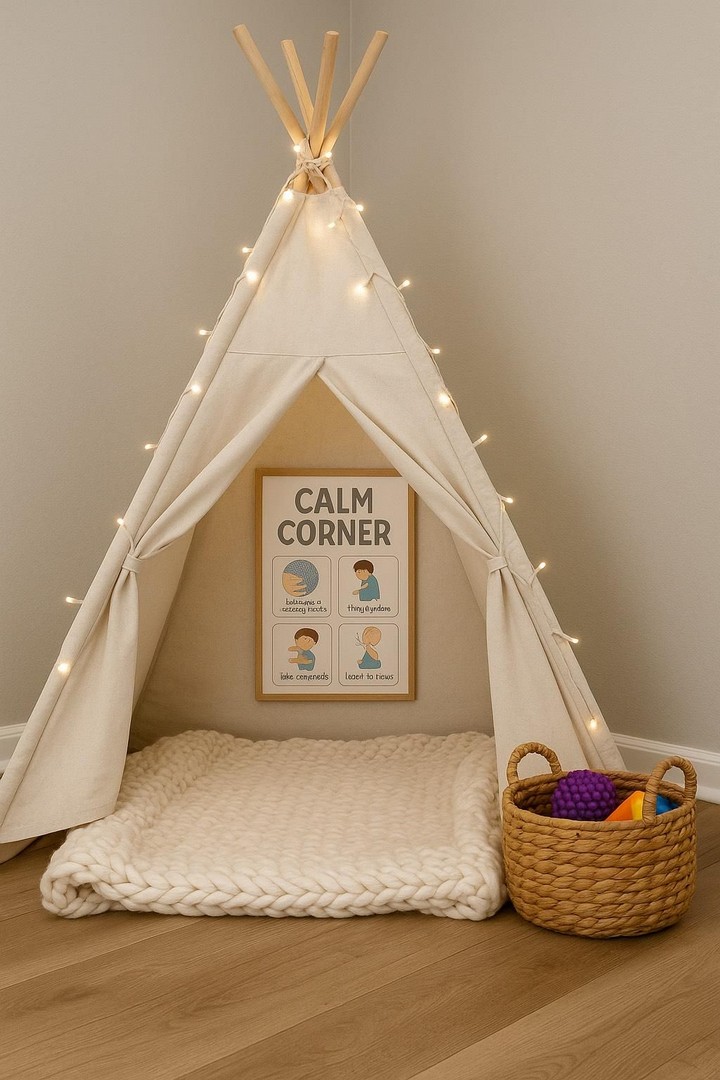
Create a peaceful retreat with a small tent or enclosed space, stuffed animals, sensory bottles, breathing exercise cards, and soft lighting. This self-regulation station gives overwhelmed children tools to manage emotions independently before problems escalate.
10. Growth Mindset Gallery
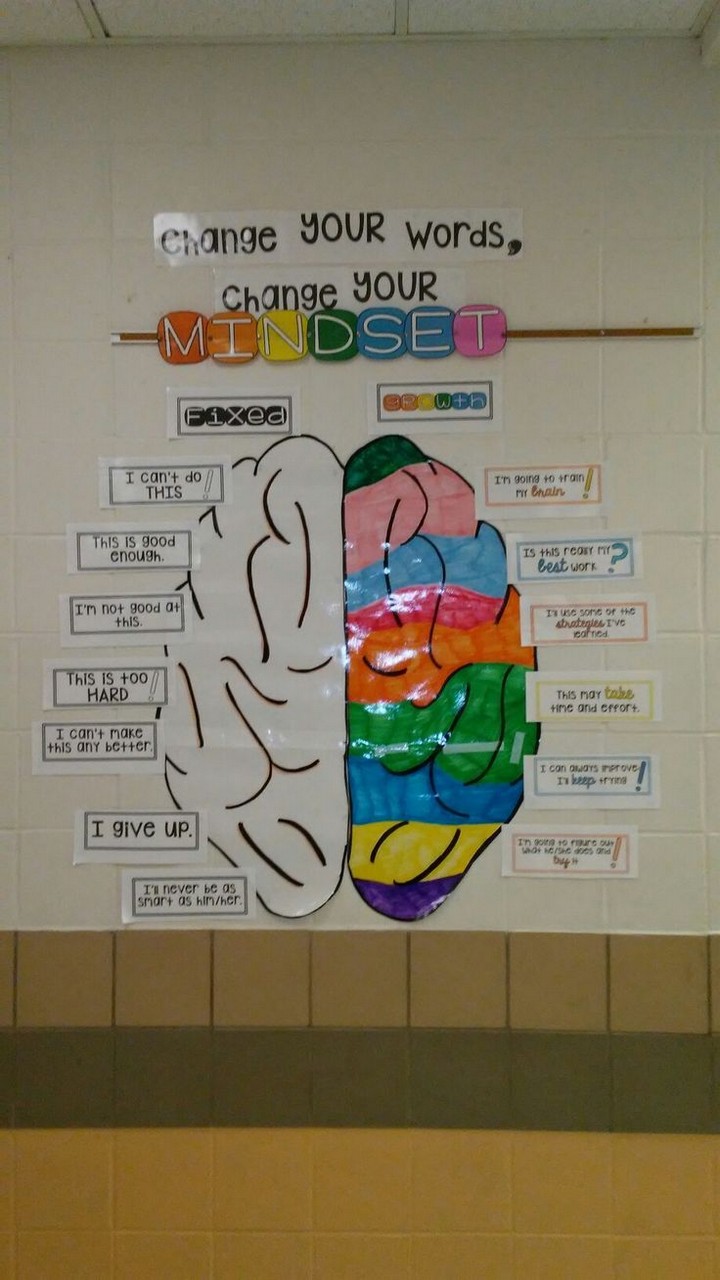
Dedicate wall space to inspirational messages promoting perseverance with phrases like “Mistakes help me learn” and “I can do hard things.” Include student work showing progression, celebrating effort over perfection and building resilience.
11. Classroom Pet Corner
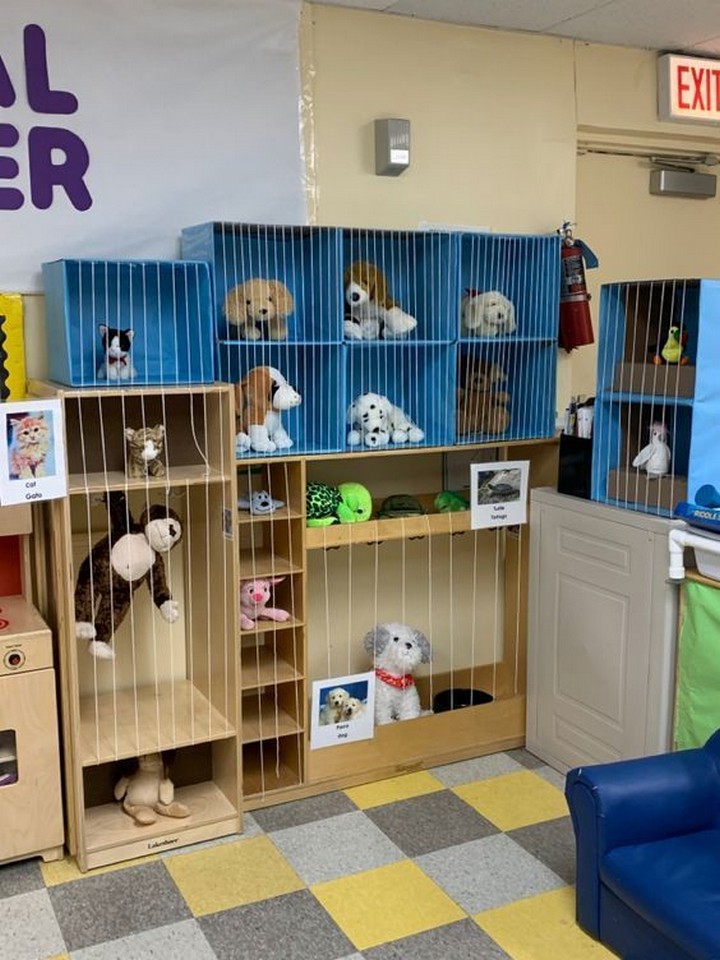
If regulations permit, establish a well-maintained area for classroom pets like fish, hermit crabs, or guinea pigs. Caring for animals teaches responsibility, empathy, and provides endless opportunities for observation-based science lessons.
12. Birthday Celebration Board
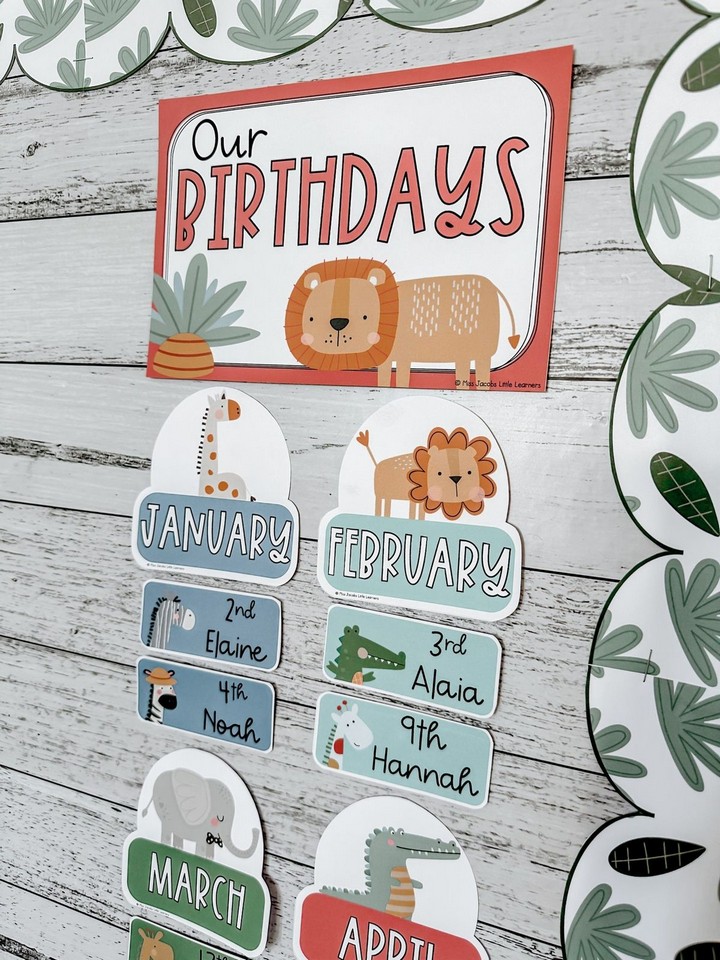
Design an attractive display featuring each student’s name and birthday on decorated cupcakes, balloons, or stars arranged by month. This helps children learn about calendars, anticipate special days, and ensures every student feels celebrated.
13. STEM Discovery Station
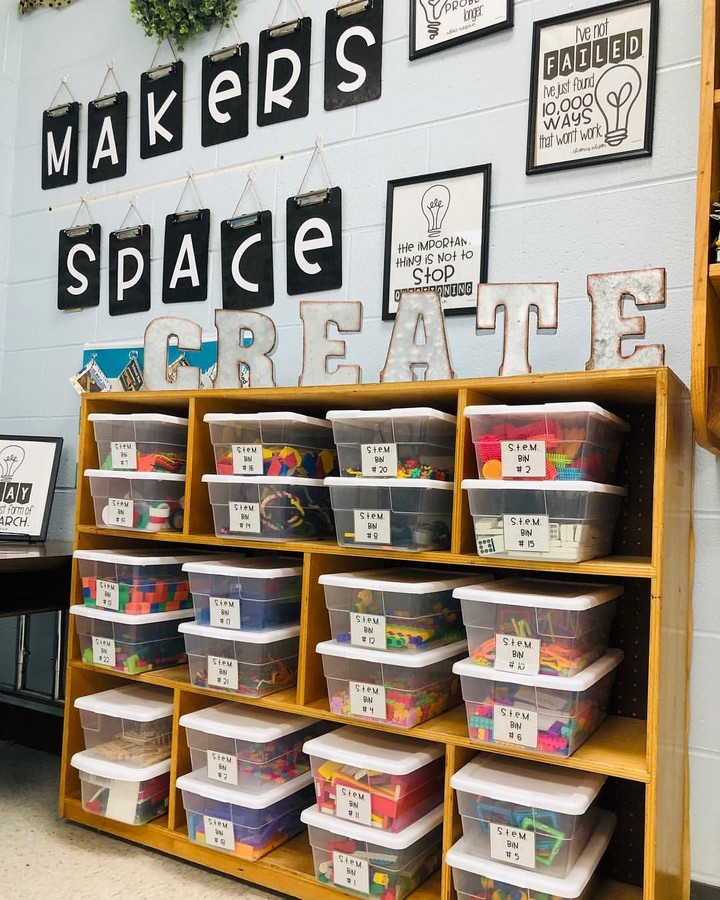
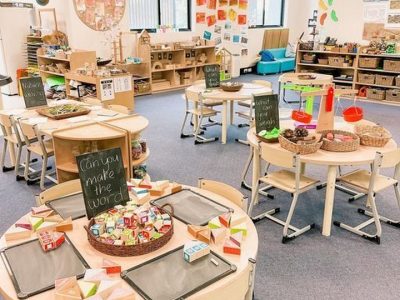
Equip a dedicated table with building blocks, simple machines, magnifying glasses, measurement tools, and rotating science experiments. Hands-on exploration in this area develops critical thinking and introduces scientific concepts through play-based learning.
14. Cultural Diversity Display
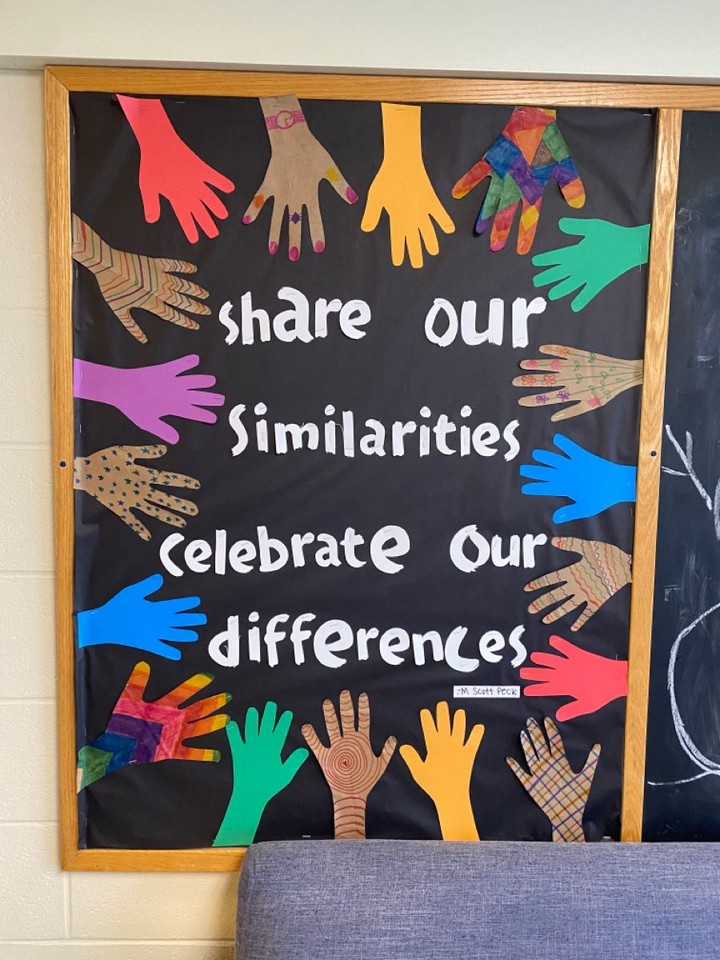
Create an inclusive environment showcasing world maps, flags from students’ heritage countries, multicultural dolls, and books featuring diverse characters. This validates every child’s background while teaching appreciation for global perspectives.
15. Jobs and Responsibility Chart
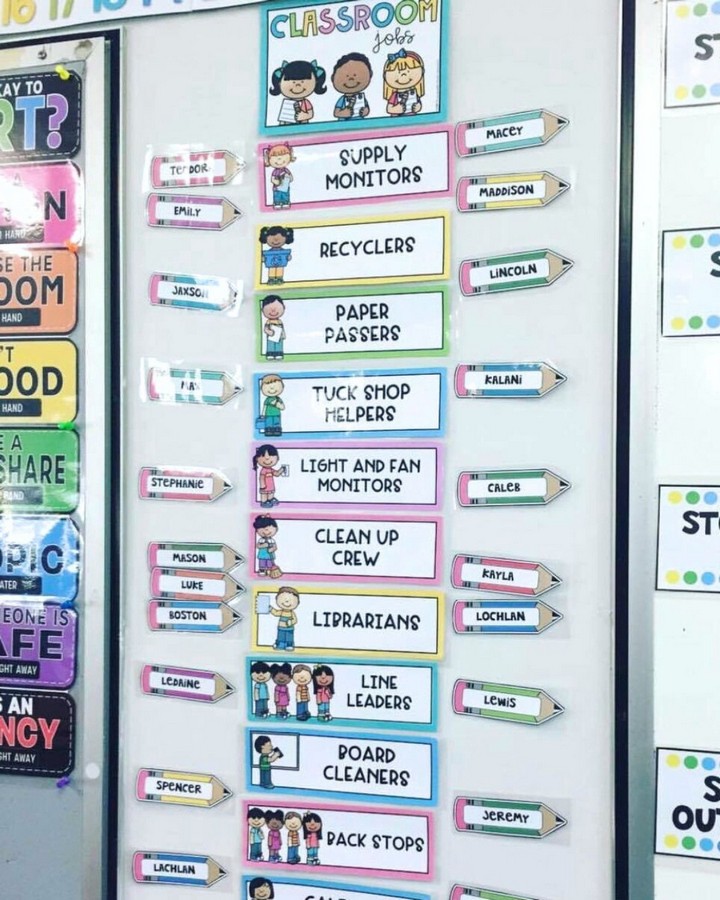
Install an adorable helper chart with rotating assignments like line leader, plant waterer, and book organizer. Use clothespins with student photos that move weekly, teaching accountability and community contribution from an early age.
16. Art Creation Station
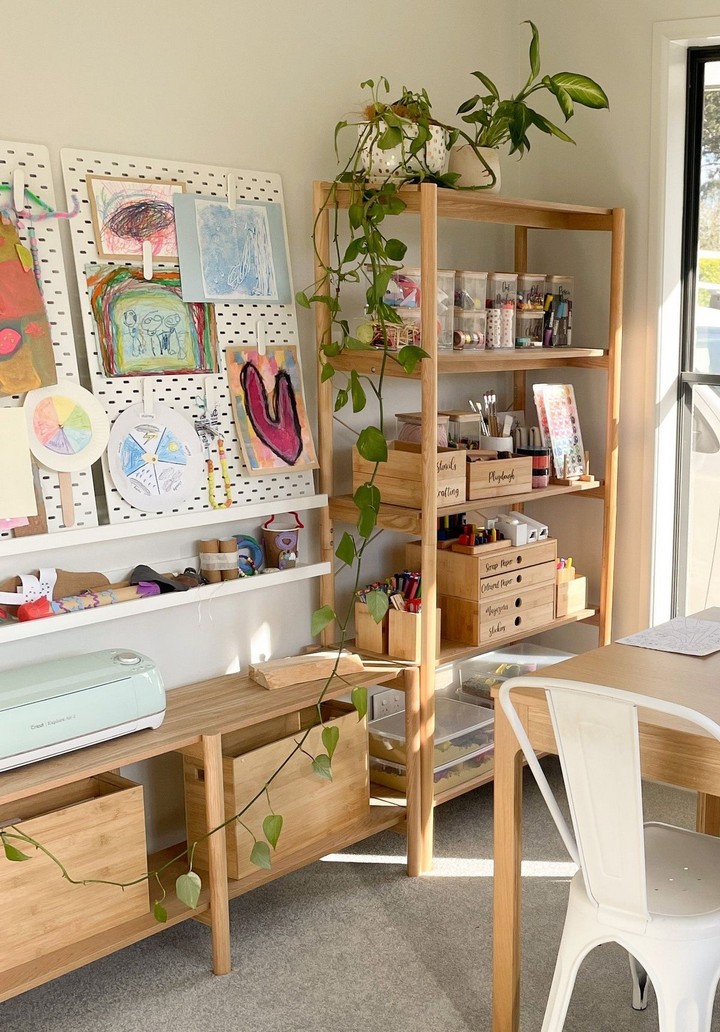
Establish a permanently accessible art area stocked with washable markers, crayons, paper, scissors, glue, and recycled materials. Open-ended creative expression supports fine motor development and allows students to process experiences through artistic outlets.
17. Math Manipulative Center
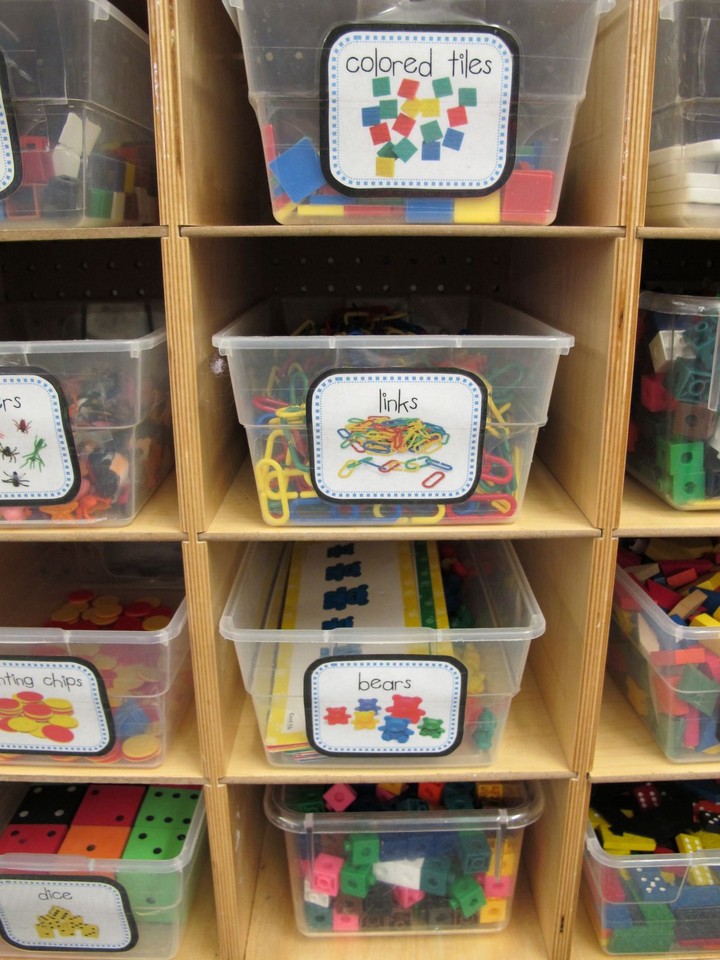
Organize counting bears, pattern blocks, number lines, and dice games in labeled, transparent containers on accessible shelving. Hands-on mathematical tools make abstract concepts concrete for developing minds still mastering symbolic thinking.
18. Alphabet Arc Floor Mat
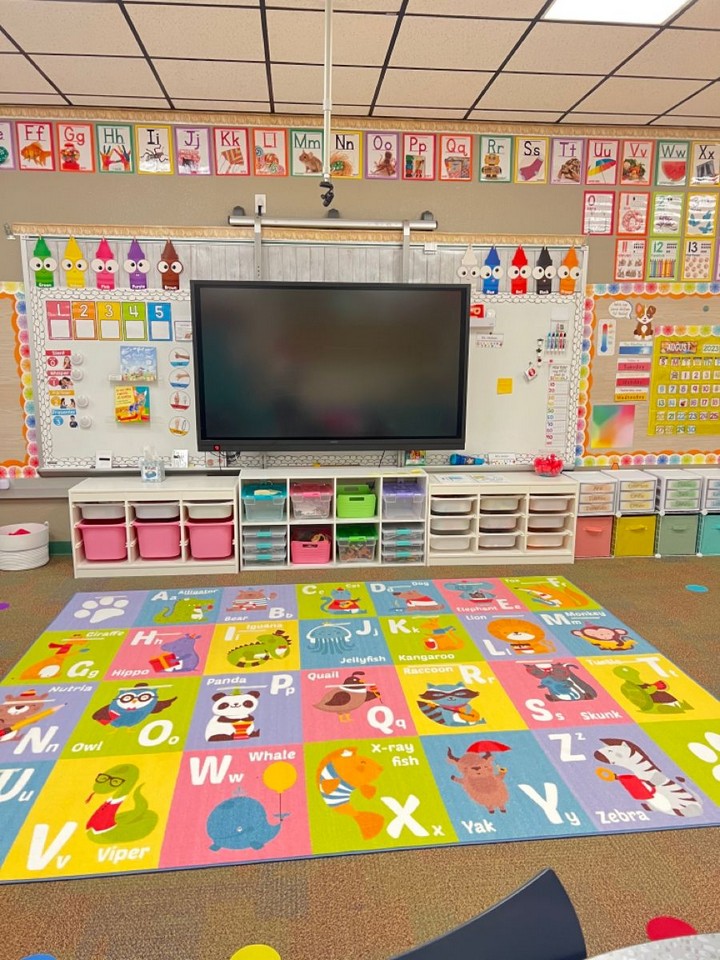
Position a large semicircular floor mat displaying the alphabet sequence where students practice letter recognition, phonics, and alphabetical order during morning circle time or small group instruction.
19. Weather and Calendar Area
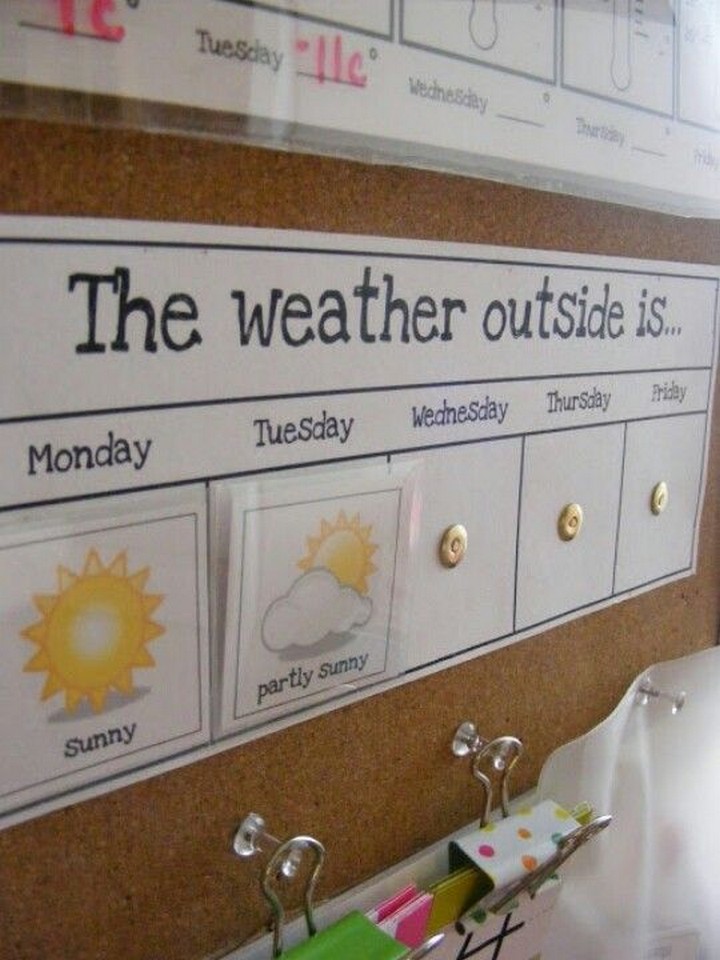
Design an interactive calendar space with movable date pieces, weather symbols, and a hundreds chart. Daily calendar routines build mathematical thinking, pattern recognition, and awareness of time’s passage in age-appropriate increments.
20. Writing Workshop Table
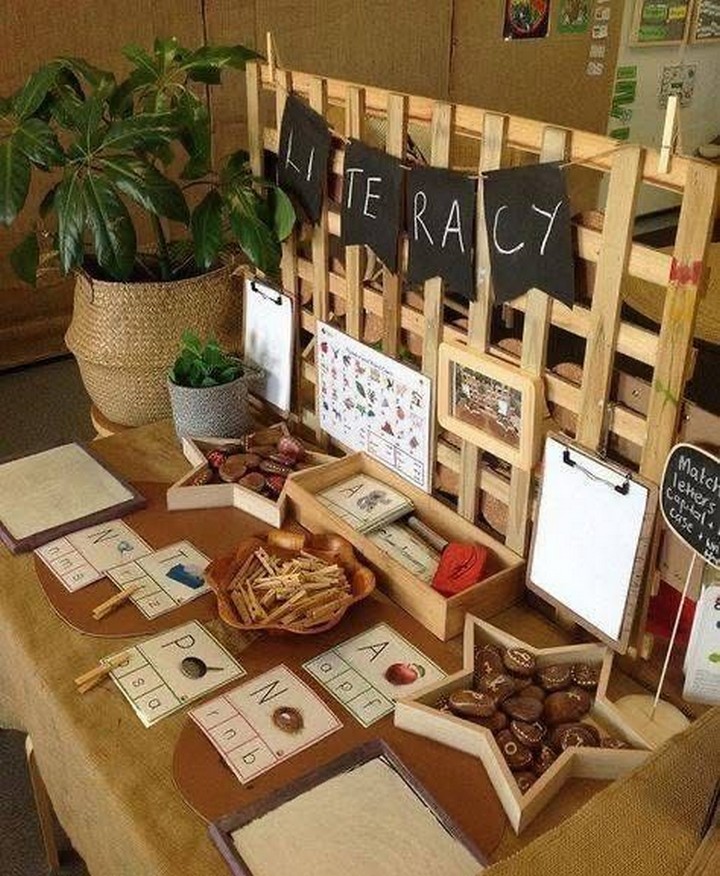
Establish a writing center with various paper types, student-made word banks, letter formation guides, and publishing supplies. This dedicated space elevates writing from task to craft, encouraging kindergarteners to see themselves as authors.
21. Classroom Library Organization
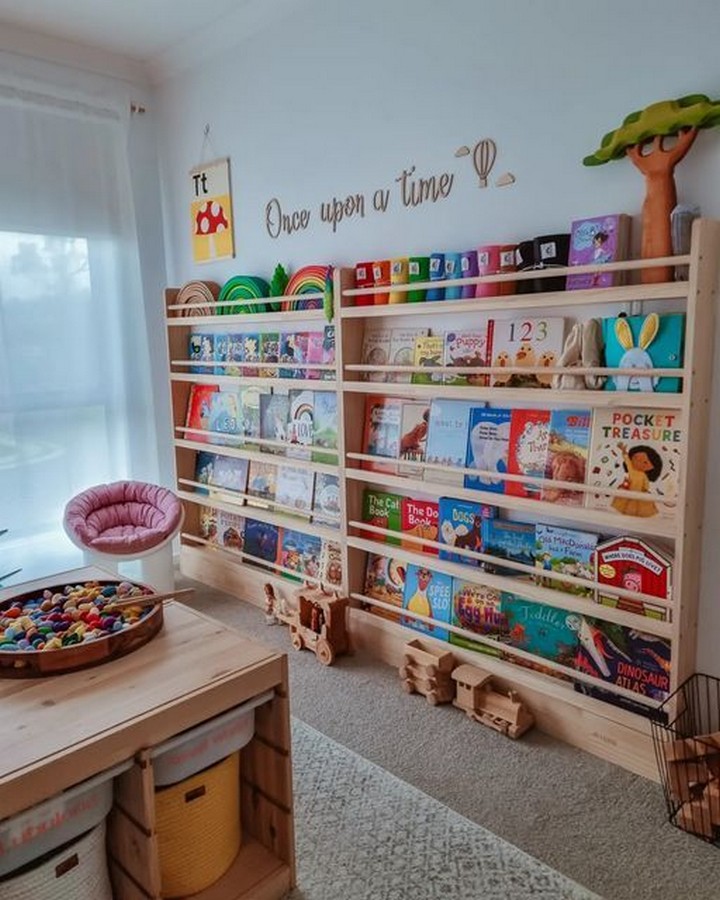
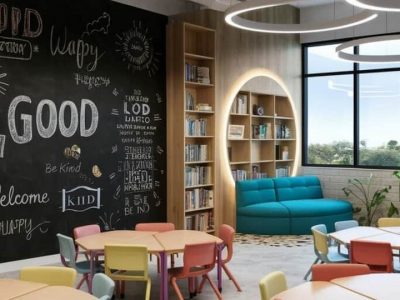
Organize books by genre, reading level, author, or theme using colorful bins with picture labels. Include forward-facing displays for featured selections and comfortable seating that invites browsing and sustained engagement with literature.
22. Technology Integration Station
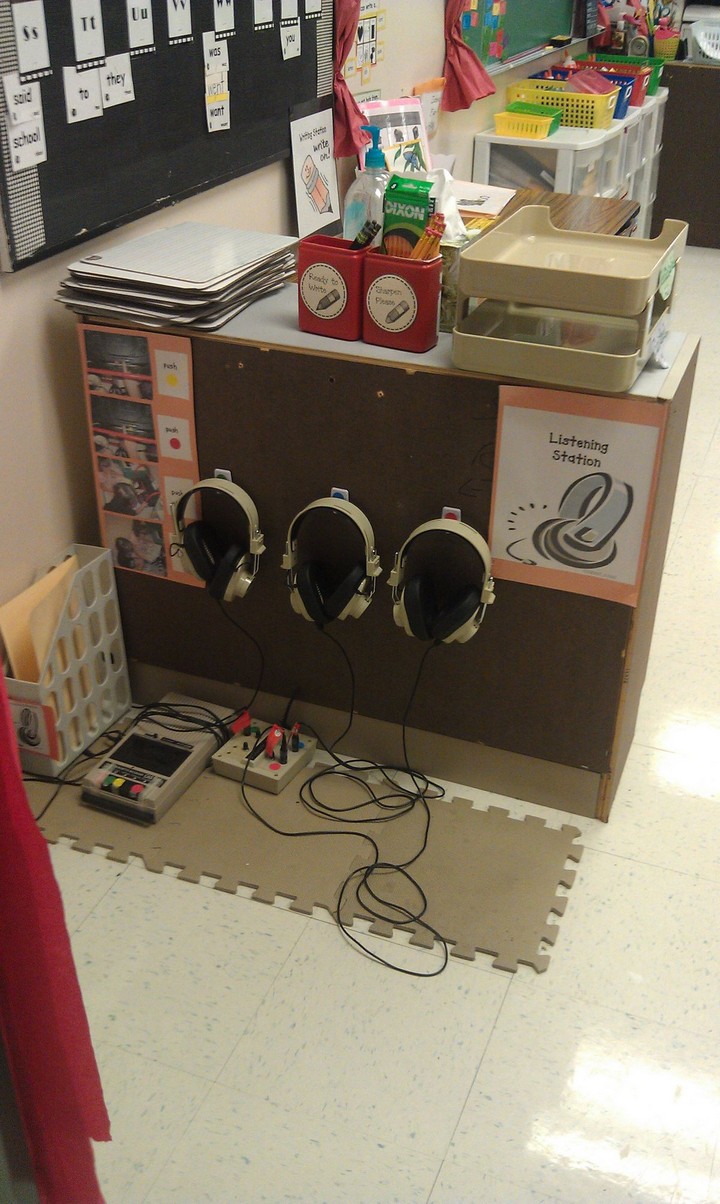
If available, create a supervised computer area with age-appropriate educational software, tablets with literacy and math apps, and headphones. Balanced technology use develops digital literacy while supporting differentiated instruction.
23. Block Building Zone
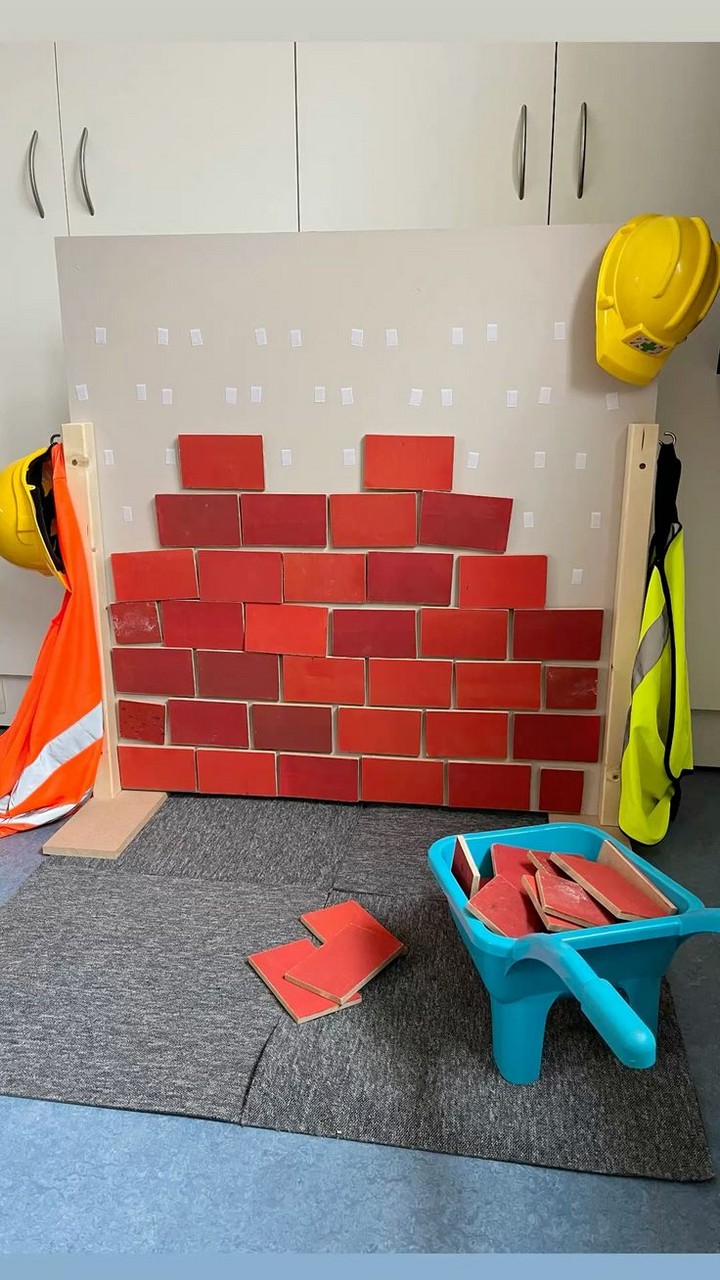
Designate floor space for wooden unit blocks, foam blocks, and architectural accessories like toy vehicles and people. Block play develops spatial reasoning, engineering concepts, mathematical thinking, and collaborative problem-solving skills.
24. Music and Movement Area
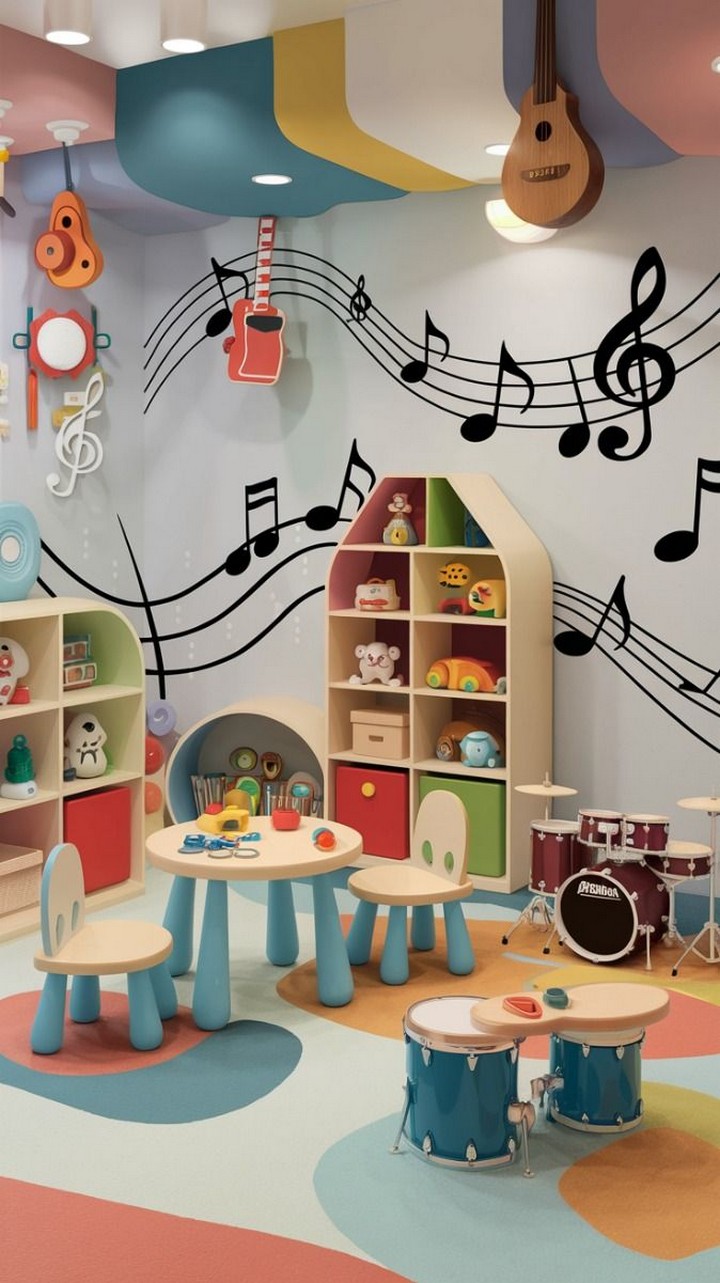
Allocate space for rhythm instruments, scarves for creative movement, and a speaker for dance breaks. Incorporating music throughout the day supports memory, pattern recognition, cultural awareness, and joyful physical activity.
25. Student Portfolios Display
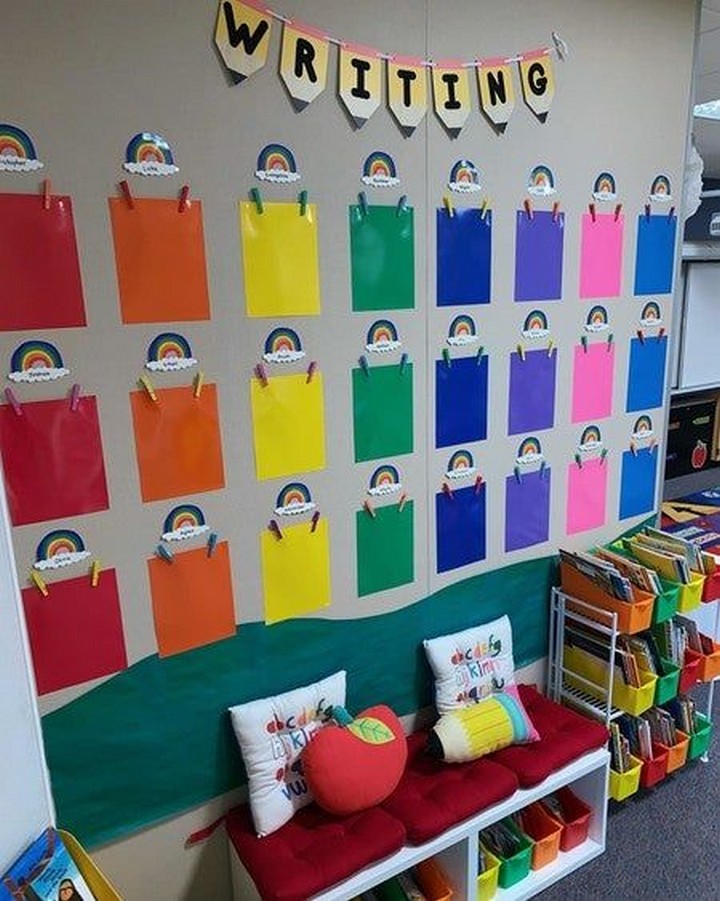
Create individual spaces where students’ best work, photos of projects, and progress documentation are displayed at their eye level. Visible growth documentation builds pride and helps children develop self-reflection skills.
26. Puzzle and Game Corner
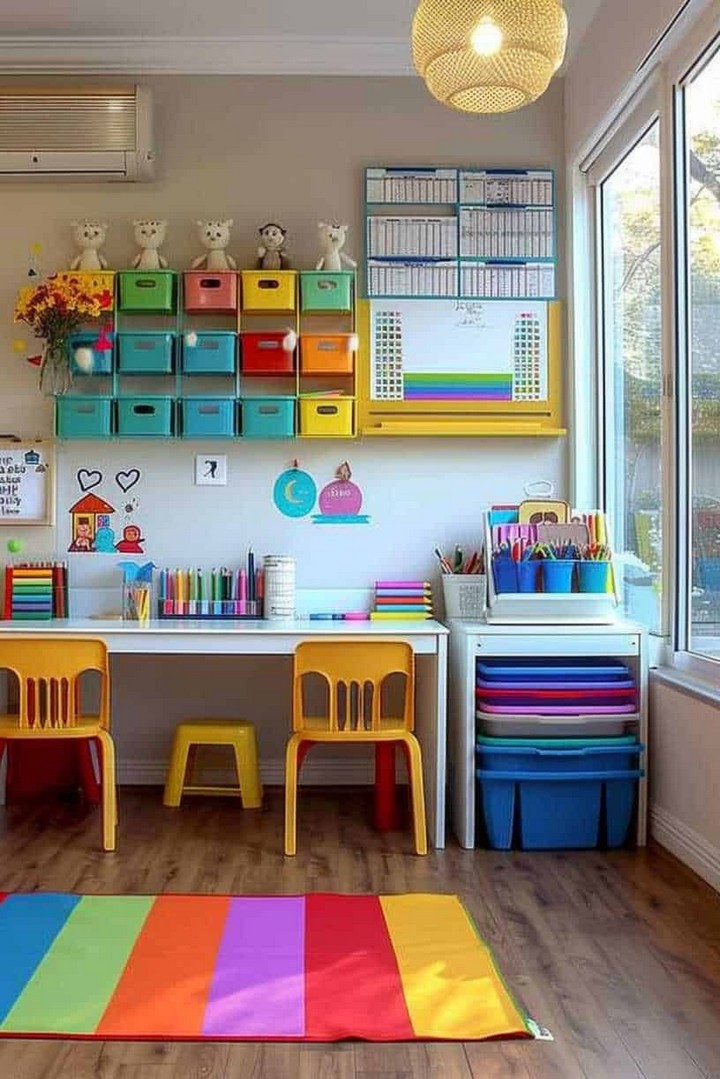
Stock a quiet area with age-appropriate puzzles, matching games, memory cards, and strategy games. These activities develop concentration, patience, pattern recognition, and turn-taking during independent or partner time.
27. Classroom Community Circle
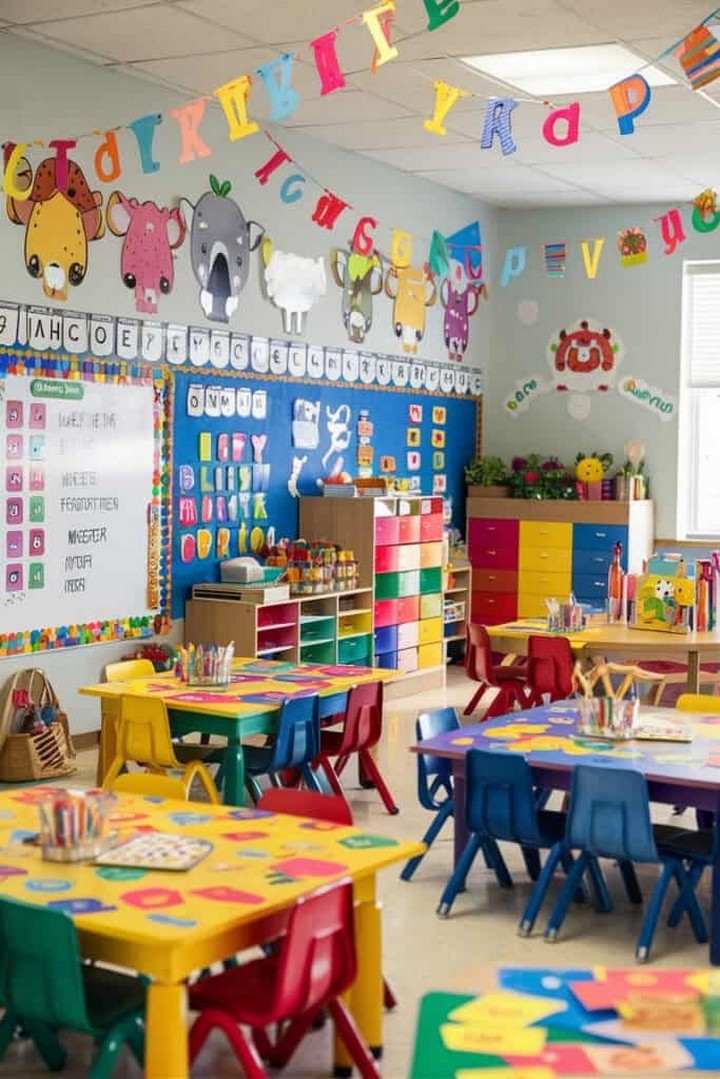
Establish a dedicated gathering area marked by a colorful rug or floor tape circle where daily meetings, read-alouds, and community discussions occur. This consistent space creates ritual and belonging, essential for social development.
Implementing These Ideas on Any Budget
Creating an adorable, functional kindergarten doesn’t require unlimited resources. Many effective designs incorporate:
- Recycled materials: Cardboard boxes become storage solutions or dramatic play props
- Parent donations: Families often have gently used books, cushions, or educational toys
- DIY projects: Handmade decorations add personal touches without significant expense
- Gradual implementation: Focus on one new area each month rather than overwhelming renovations
- Grant opportunities: Educational foundations frequently fund innovative classroom projects
Maintaining Visual Balance
While creating an engaging environment, avoid overwhelming visual stimulation. Kindergarteners process information differently than older students, so strategic design choices matter:
- Use a cohesive color palette rather than every bright color simultaneously
- Limit wall displays to current learning focuses, rotating quarterly
- Create “quiet” visual spaces where eyes can rest
- Ensure displays serve educational purposes beyond decoration
- Consider lighting, natural light supplemented with warm artificial sources reduces stress
Safety Considerations
Adorable doesn’t sacrifice secure. Essential safety measures include:
- Furniture anchored to walls to prevent tipping
- Rounded corners on tables and shelving
- Non-toxic, washable materials throughout
- Clear pathways for movement and emergency exits
- Age-appropriate materials without choking hazards
- Regular safety audits of wear and damage
Adapting Ideas for Different Teaching Styles
These concepts work across educational philosophies:
- Montessori approaches: Emphasize natural materials, accessible organization, and child-directed spaces
- Reggio-Emilia inspired: Focus on documentation, natural light, and aesthetically beautiful materials
- Traditional classrooms: Incorporate elements while maintaining structured seating and teacher-directed areas
- Play-based learning: Prioritize exploration stations with minimal structure
The most effective kindergarten environments reflect authentic teaching values rather than trends.
Involving Students in Classroom Design
Kindergarteners take greater ownership when contributing to their environment. Consider:
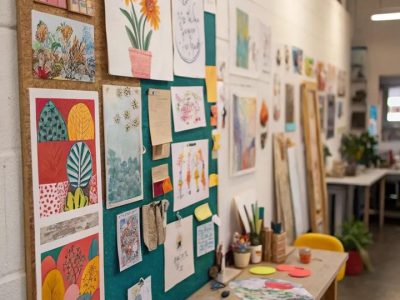
- Student-created artwork as primary decoration
- Voting on themes for learning centers
- Helping organize and label materials
- Contributing to classroom rules and community agreements
- Rotating “designer of the week” who suggests small modifications
This involvement develops decision-making skills and deepens investment in the learning community.
What’s your favorite kindergarten classroom idea? Have you implemented any creative learning spaces in your classroom or at home? Share your experiences, photos, or additional suggestions in the comments below! Don’t forget to bookmark this article and share it with fellow educators or parents preparing exciting learning environments for young children. Together, we can inspire the next generation of curious, confident learners!